At Sarvin, nature-based solutions are practical, place-based actions that restore ecological function while supporting wildlife and local communities. In Iran’s arid and drought-stressed landscapes, this means working with water, vegetation, land use, and stewardship together rather than in isolation.
Why It Matters
Ecosystem restoration is one of the fundamental pillars of holistic conservation. Healthy habitats support biodiversity, sustain ecological processes, and provide the conditions wildlife needs to survive. When habitats are degraded, species decline, ecosystem services weaken, and resilience to environmental change is reduced.
Working with Communities
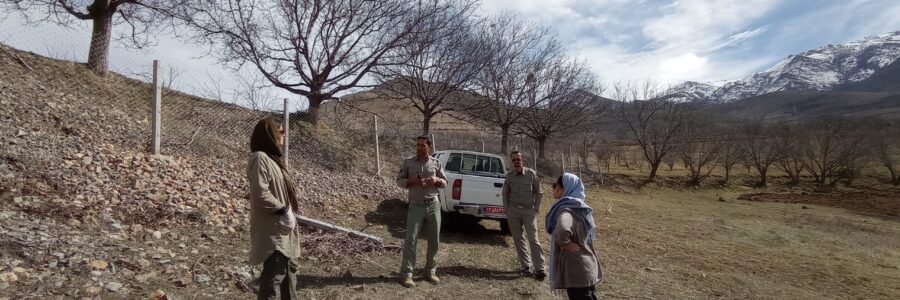
We believe restoration works best when indigenous and local communities are part of the process from the start. Through education, capacity building, and conservation-related livelihood opportunities, we aim to encourage active participation and strengthen local ownership of natural resources.
Supporting sustainable agriculture and livestock practices is also important. Reducing pressure on natural habitats helps prevent further degradation and makes restoration more durable over time.
Our Restoration Approach
In degraded desert areas, restoring vegetation is a top priority. We focus on interventions that help native species return naturally and rebuild ecological balance, improving habitat function and supporting broader ecosystem health.
When selecting priority areas, we work with managers, rangers, and local communities to identify places where restoration can create the greatest long-term impact. This approach has already been tested in Miandasht Wildlife Refuge, where it helped improve prey populations and supported the return of the Asiatic cheetah after six years of absence.
Miandasht as an Example
Our experience in Miandasht shows how water-centered restoration, local knowledge, and field collaboration can produce measurable ecological gains. By helping retain floodwater and reduce pressure on degraded habitat, the project has contributed to stronger vegetation recovery and improved conditions for wildlife.

Why Restore Degraded Habitats?
Restoring degraded habitats benefits both biodiversity and people. For Sarvin, the goal is not only to recover ecological structure and function, but also to support durable landscapes where wildlife and human communities can coexist.
We work through collaboration with governmental and non-governmental partners, drawing on both indigenous and scientific knowledge and using practical technologies where they add value.
Our aim is to help create resilient, living landscapes that can sustain wildlife, support communities, and remain functional under changing environmental conditions.