Transitioning from Runoff to Resilience in Surface Water Management
The water resources restoration project in Miandasht Wildlife Refuge is a set of phased interventions designed to address water scarcity, enhance and regenerate vegetation cover, safeguard the cheetah’s prey base, and increase the habitat’s resilience to drought (SDG 13, SDG 15).
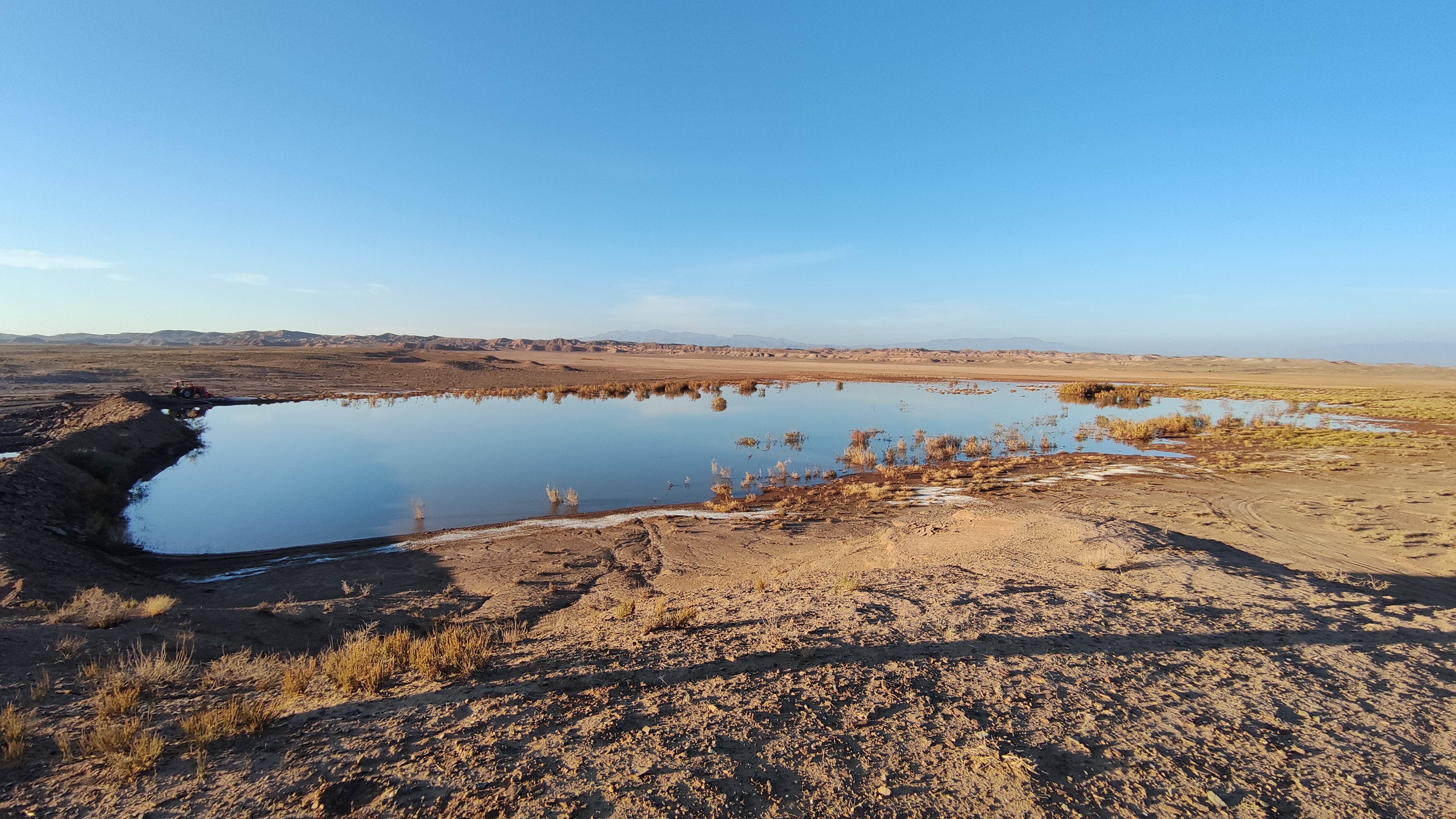
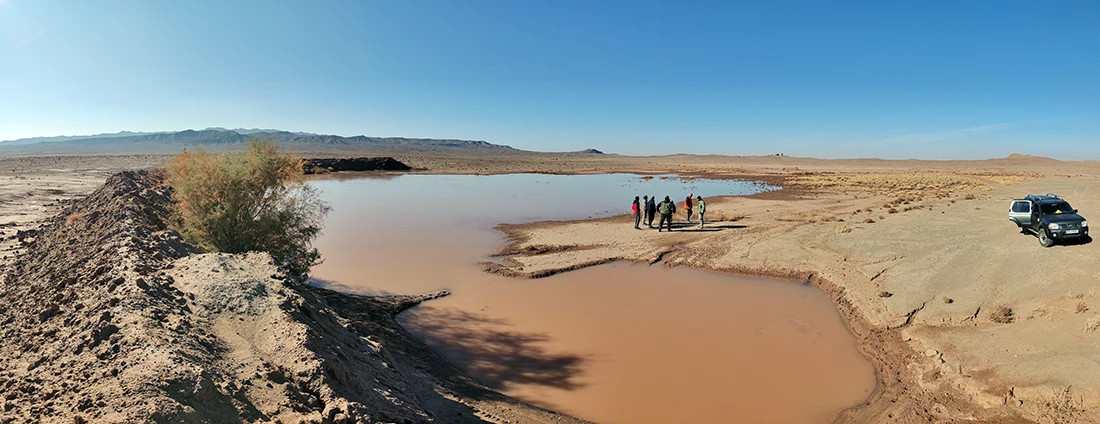
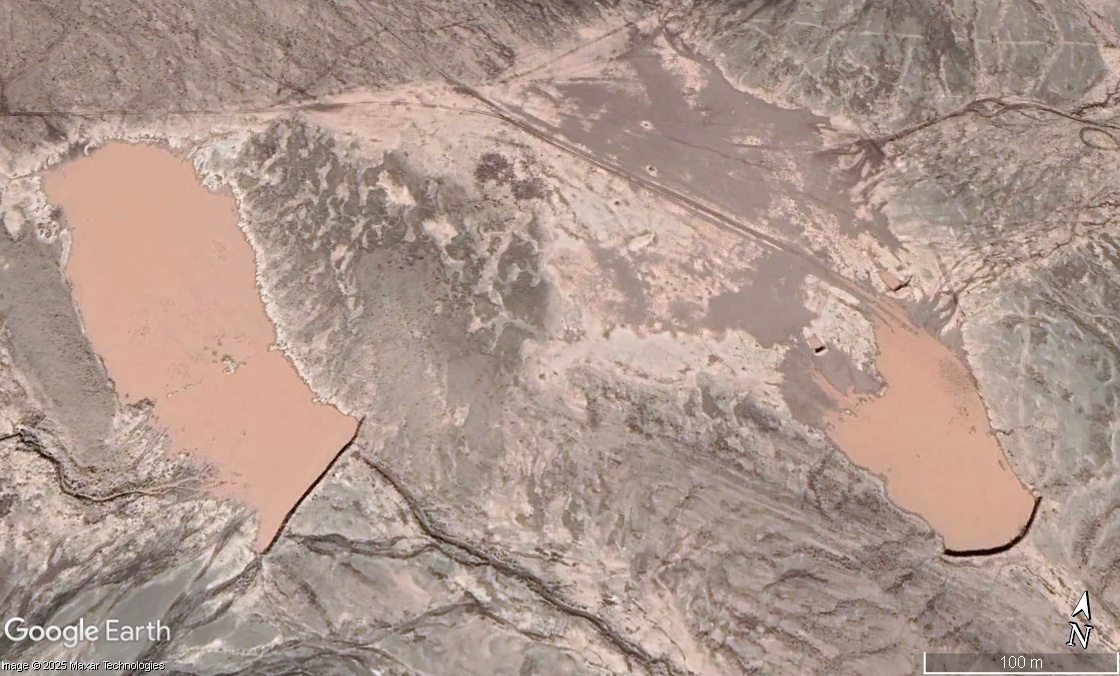
The project was initiated from the outset on the basis of traditional ecological knowledge, and thanks to its success in retaining floodwaters that for years had turned into runoff and been lost, local communities can now use the water stored behind the small dams for their livestock.
On the other hand, for many years there had been tension between environmental authorities and local communities over supplying water to the region’s watering points, almost all of which required manual water delivery; with the area now able to provide its own water, this tension has been reduced to zero.
Project Partner

Project Sponser

Summary
💧
The work began in 2019 with a focus on securing sustainable water, grounded in traditional ecological knowledge, for the wildlife of Miandasht—particularly the Asiatic cheetah’s prey species such as gazelles—during dry seasons, while also supporting the recovery of vegetation cover across the habitat.
🌱
The main objectives are to reduce water stress, achieve local self-sufficiency in supplying water to watering points, decrease drought-related mortality, support threatened species, restore vegetation cover, and align with the United Nations Decade on Ecosystem Restoration 2021–2030.
Project process
1
Project Launch
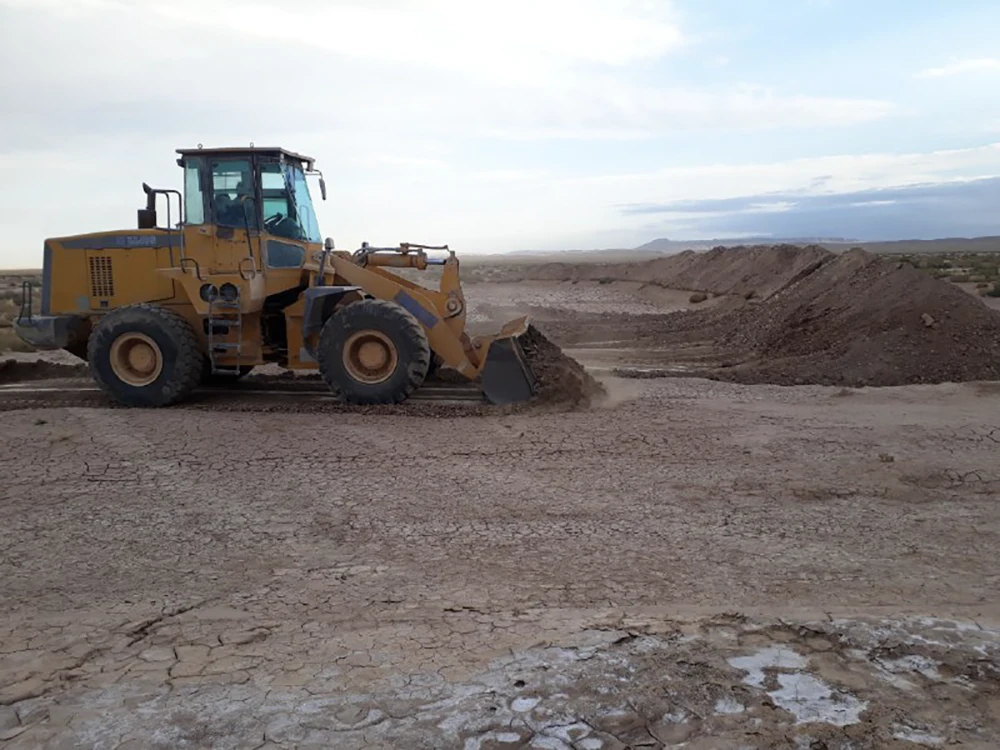
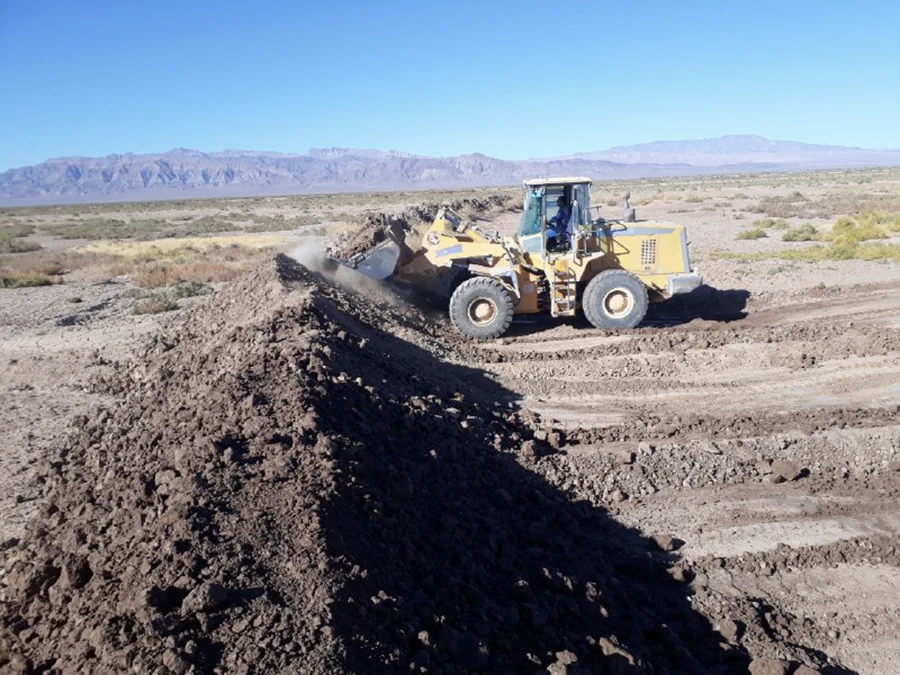
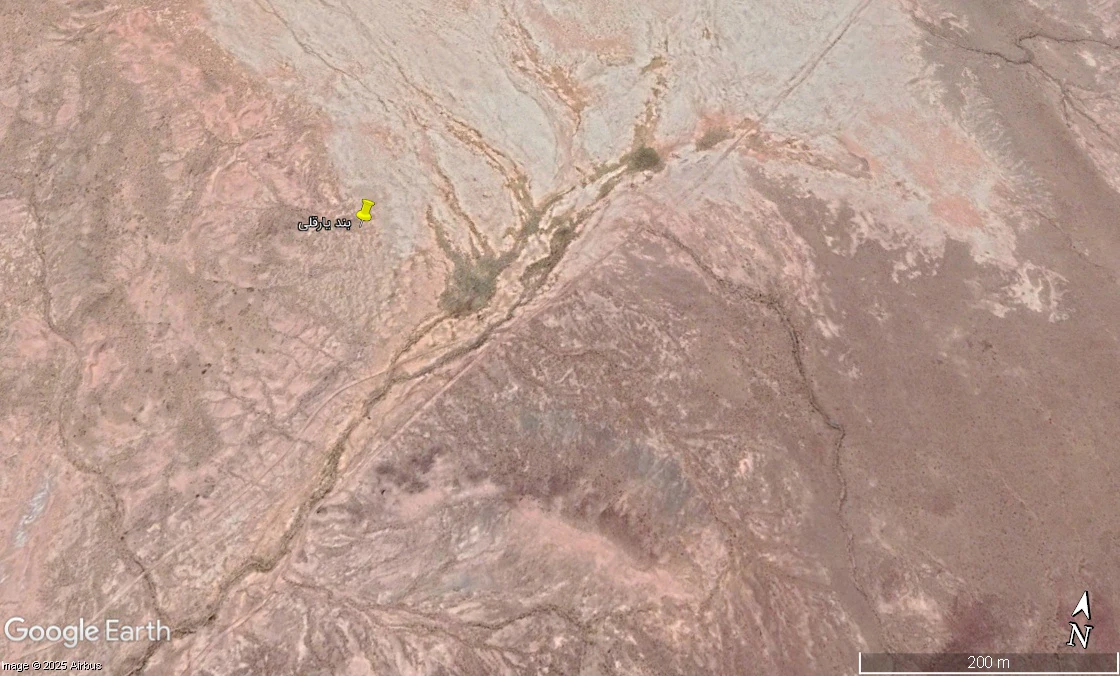
The project began in 2019 at the Iranian Cheetah Society with the construction of eight earthen check dams.
2
Reinforcement
Sarvin constructed four new dams, and the existing dams that had been damaged by floods were reinforced and reconstructed.
3
Transferring Responsibilities
Responsibility for building and maintaining the dams was transferred to the DoE so that, with support from local communities, herders, and local sponsors, the work could continue; by the end of 2024, the number of dams reached 20.
4
Community engagement
In March 2025, locals took part in a collective action to seed the area around one of the dams in order to help strengthen the vegetation cover in its surroundings.
5
Increased water storage
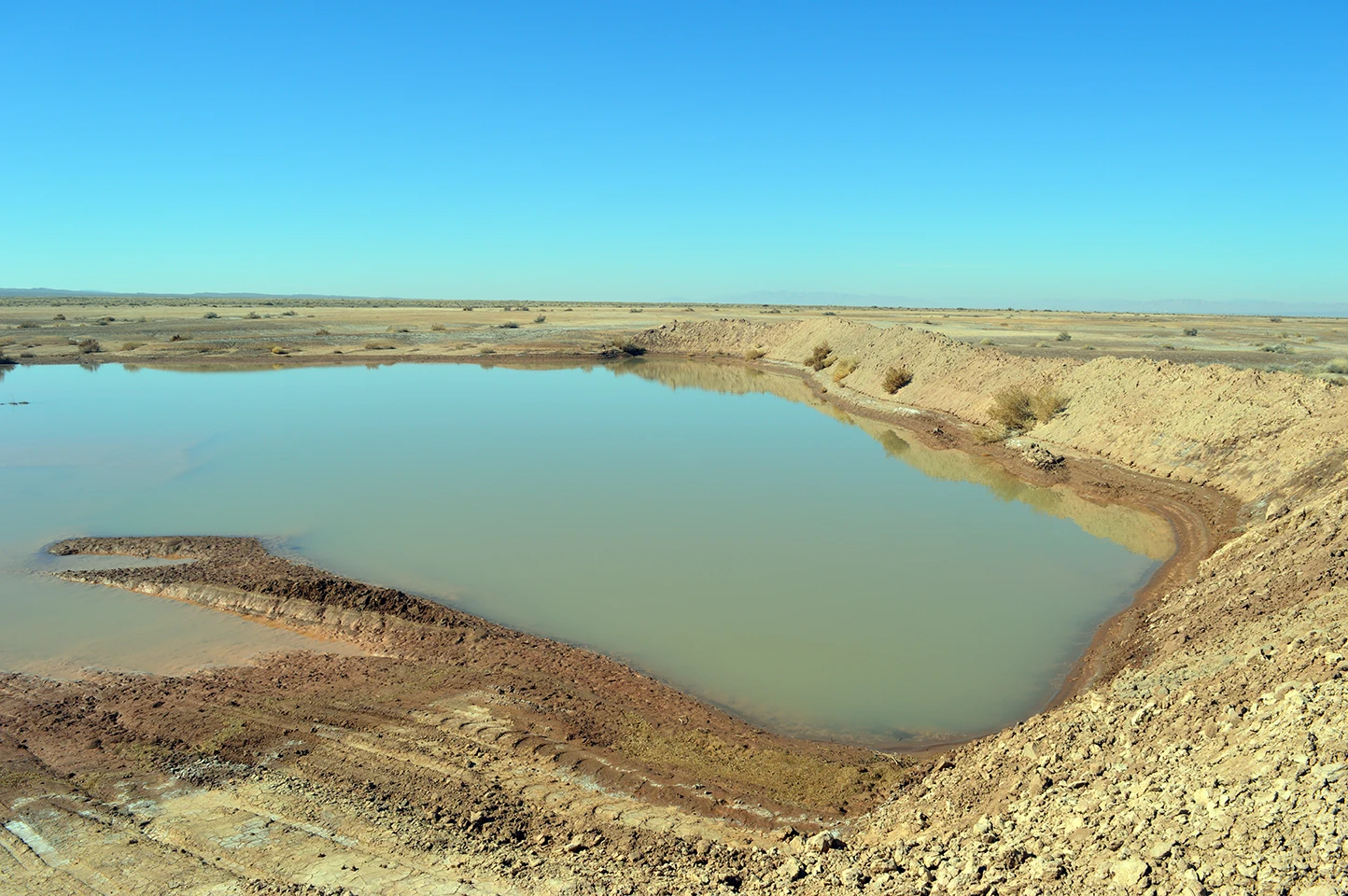
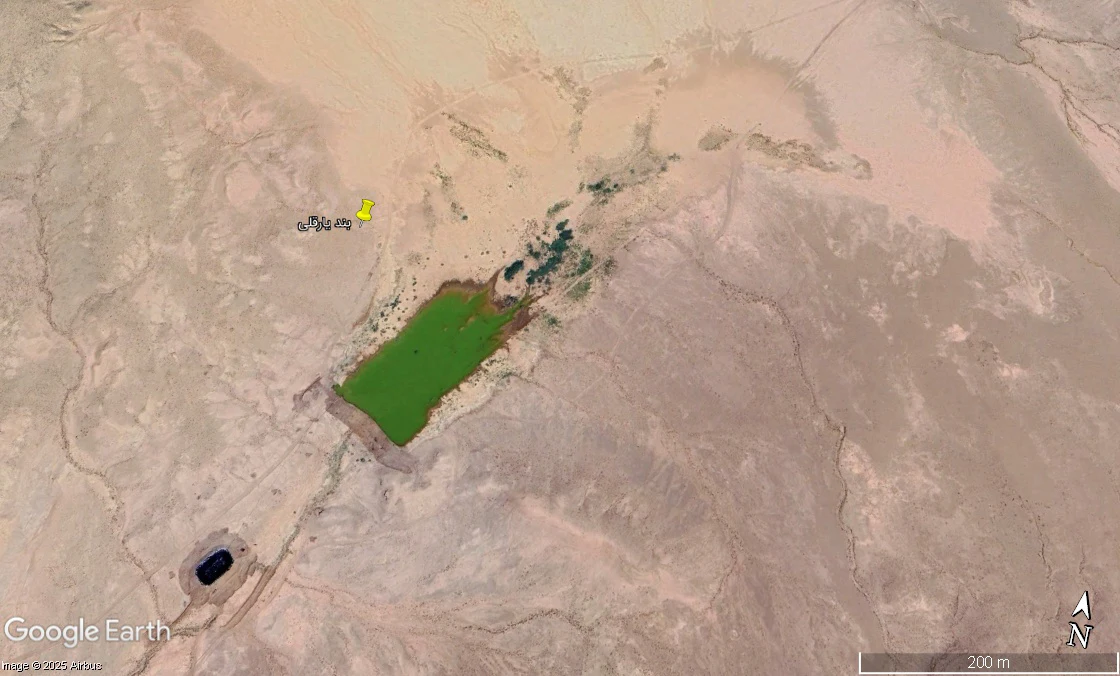
The dams filled rapidly during floods and, when floods recurred, were either damaged or lost their storage capacity, which led the DoE and Sarvin to start constructing water storage ponds.
6
Evaluation
The aim for 2026 is to assess and document the progress made so far, in order to inform effective planning for the next phases.
Results and achievements
💧
Securing water for wildlife
Improving wildlife access to water across the landscape and ensuring a reliable, long-term supply for artificial watering points.
🌿
Vegetation recovery
Supporting the growth and recovery of vegetation around the constructed dams and contributing to broader ecosystem restoration in the area.
📈
Gazelle population recovery
Growth in the goitered gazelle population from fewer than 1,000 individuals to nearly 5,000, securing the main prey base for the Asiatic cheetah.
🤝
Mitigating local conflict
Reducing crop damage and human–wildlife conflict.
🔄
Potential for replication
Potential to replicate this successful model in other cheetah habitats, including the Touran Biosphere Reserve.
🦩
Migratory bird habitat
Becoming a wintering site for flamingos and ducks, and a nesting area for waders such as stilts.