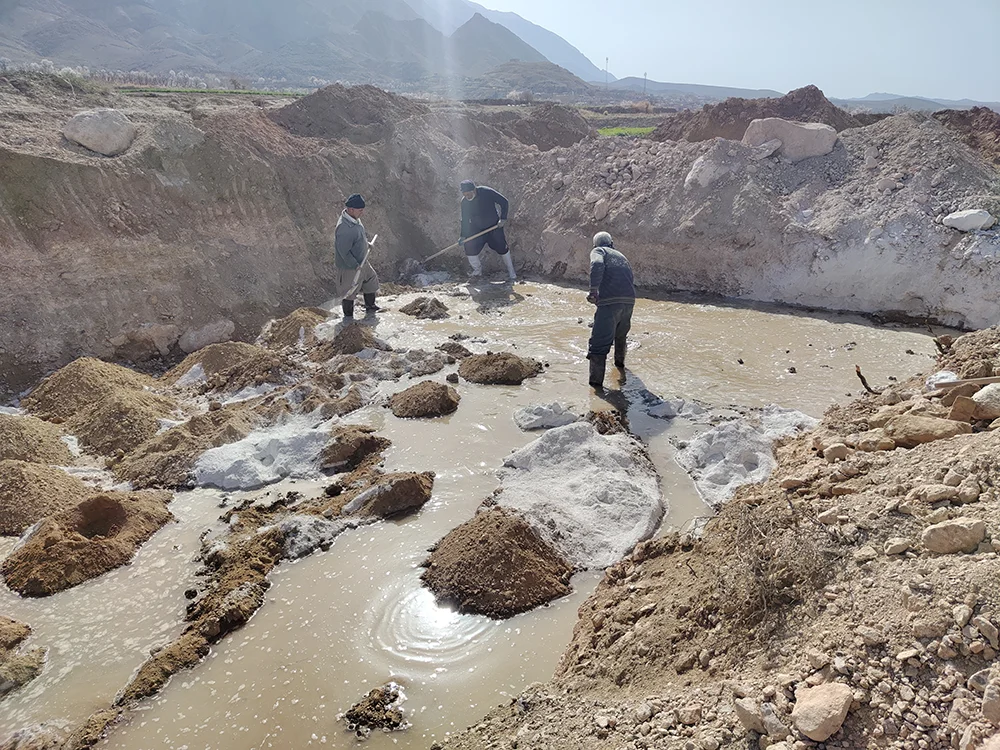
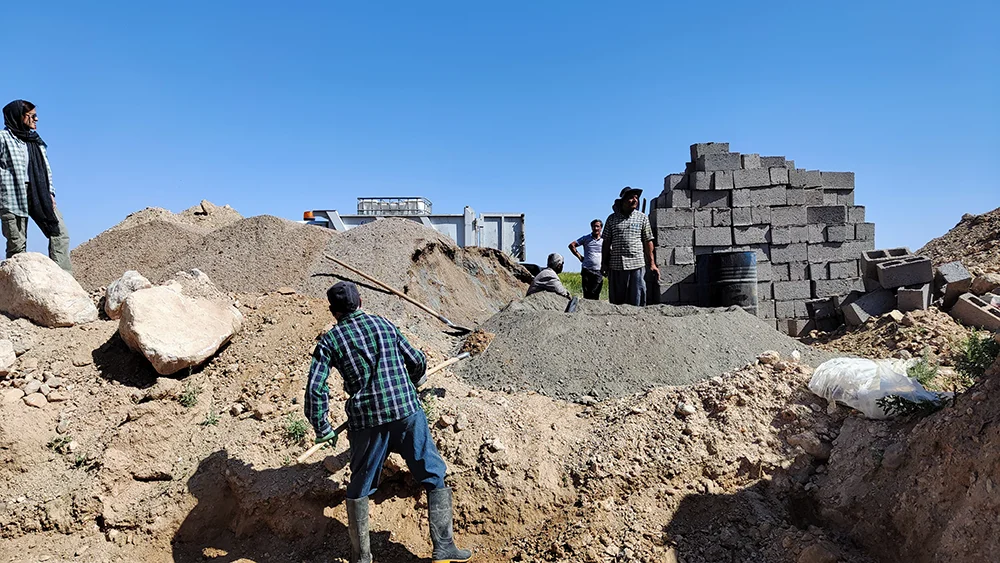
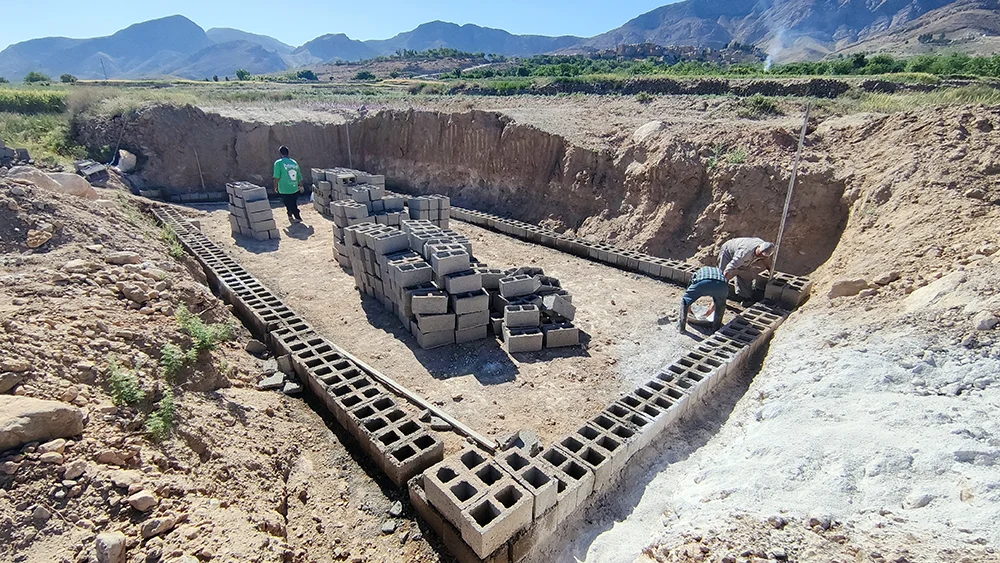
Turan’s desert landscape is one of the last strongholds for the critically endangered Asiatic cheetah and its prey, yet its ecosystems are under severe stress from drought and water scarcity. Sarvin Habitat Restoration Hub in Turan is our platform for piloting, scaling, and sharing nature-based solutions that keep both people and wildlife on the land.
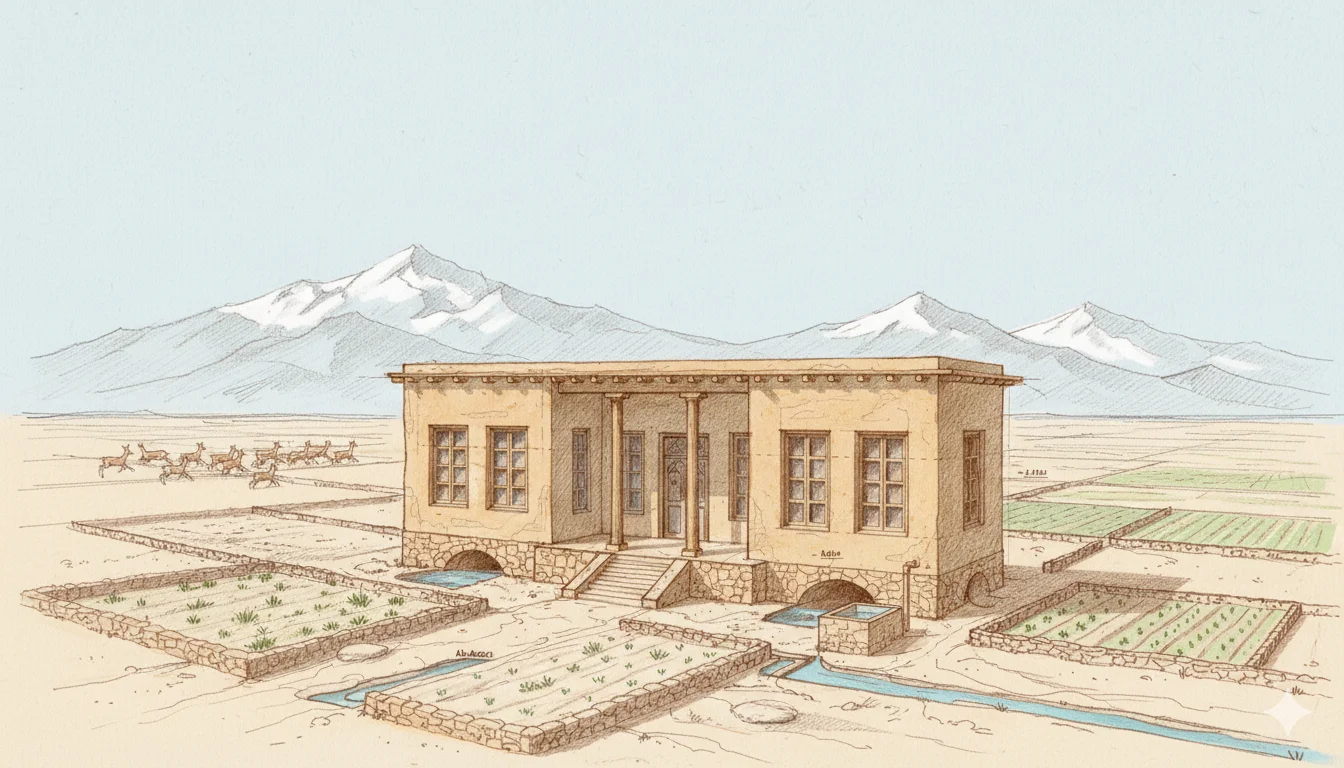
Why Habitat Restoration in Turan Matters
Turan is a drought-prone desert ecosystem where rangelands, wildlife, and rural livelihoods are tightly intertwined. When vegetation fails and water sources dry up, herders, villages, and wildlife all face the same crisis: fewer options, more pressure on fragile habitats, and rising risk of displacement.
For the Asiatic cheetah, whose survival depends on healthy steppe and desert habitats, every patch of productive rangeland and every functioning water point can make the difference between persistence and local extinction. By focusing on habitat restoration in Turan, we aim to secure core areas and corridors that allow cheetahs and their prey to move, hunt, and adapt in a rapidly changing climate.
Water Security as the Foundation of Restoration
Our work in Turan has shown that habitat restoration collapses when local communities cannot rely on secure, dignified access to water. As village water supplies fail, households turn to deeper wells, overgraze nearby pastures, or are forced to leave, driving both ecological degradation and social vulnerability.
Sarvin Habitat Restoration Hub therefore treats water security as the foundation for any long-term habitat recovery strategy in Turan. We work with local partners to identify, protect, and restore water sources that can support both human needs and ecosystem resilience, from springs and qanats to small-scale, nature-based water retention solutions.
From Experience to a Structured Restoration Hub
Over the past years, Sarvin and its partners have implemented pilot projects that blend habitat restoration, rangeland management, and community engagement in key Asiatic cheetah habitats. These experiences convinced us that ad hoc projects are not enough in the face of accelerating drought and biodiversity loss.
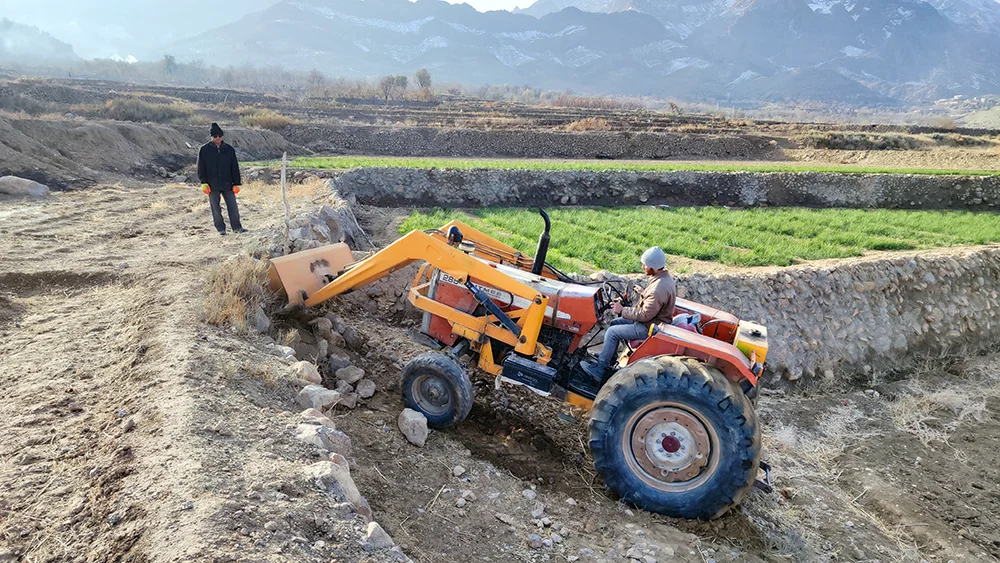
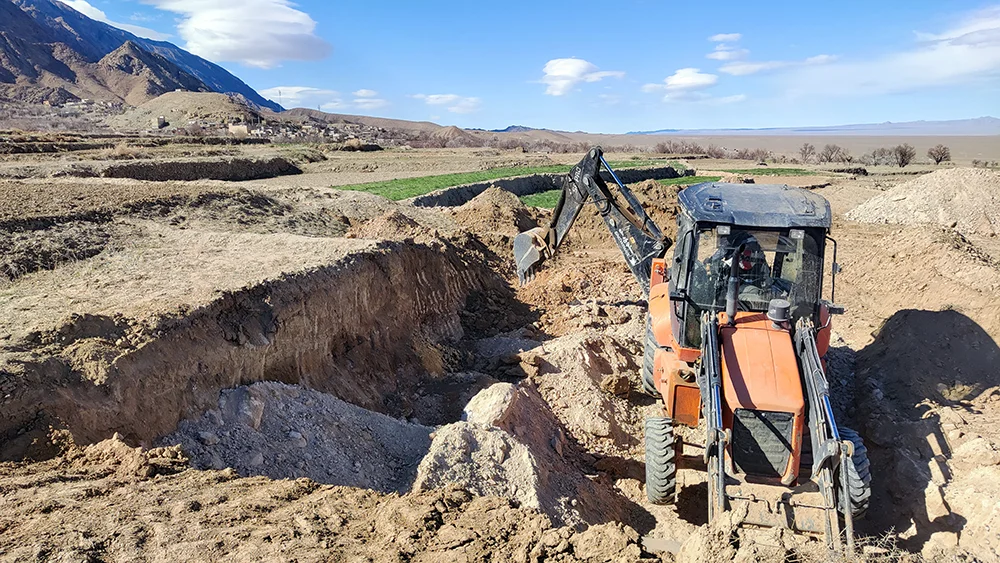
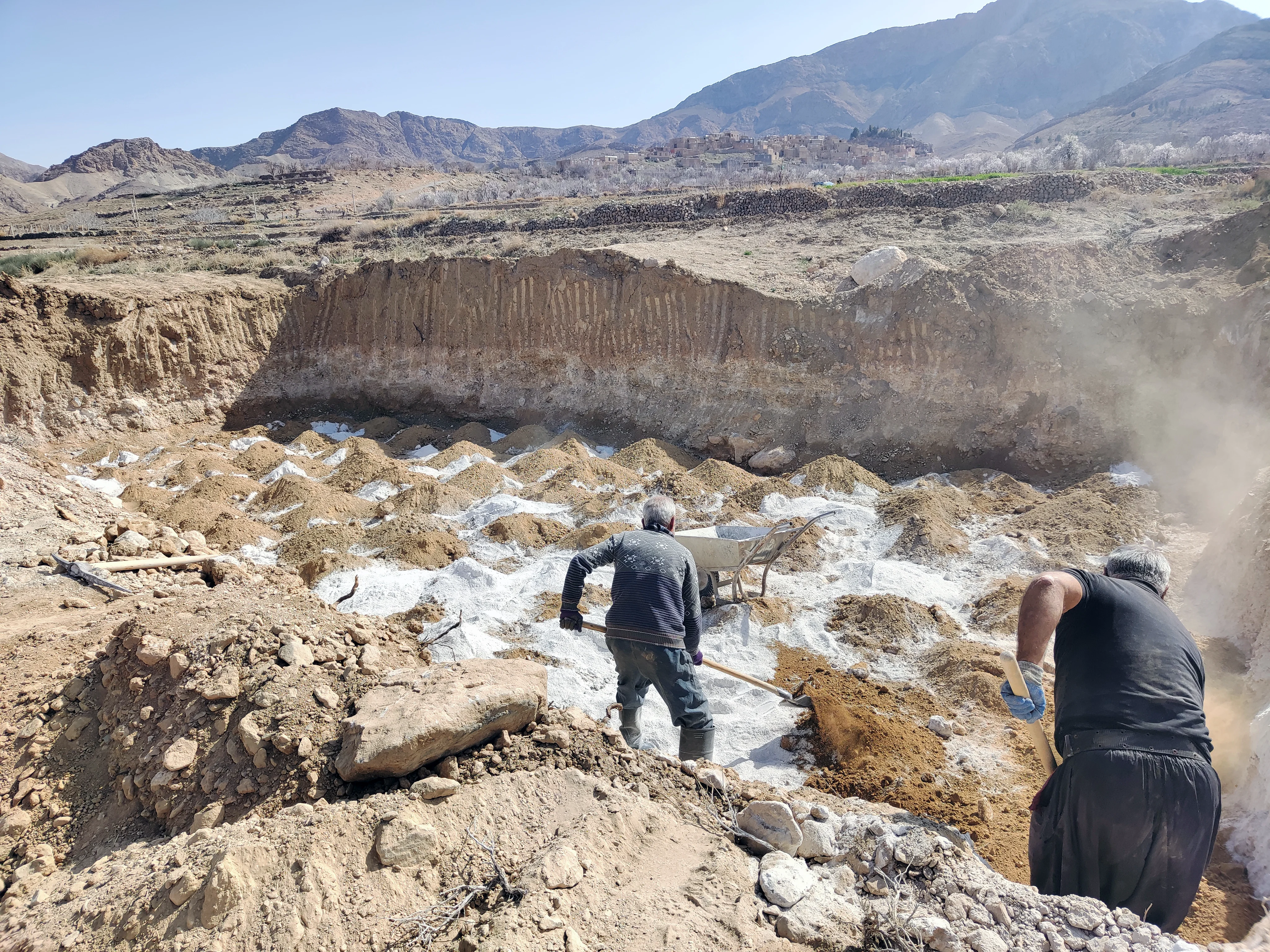
In 2025, we started constructing a structured Habitat Restoration Hub in Turan to bring these strands together under one coordinated framework. The Hub allows us to test approaches, learn systematically, and turn successful models into scalable tools for other drought-stressed regions in Iran and beyond.
What the Sarvin Habitat Restoration Hub Will Do
The Hub focuses on a set of interconnected workstreams designed to keep habitats functional and communities rooted in place.
-
Identifying priority habitats for restoration that benefit Asiatic cheetahs, their prey, and local livelihoods
-
Co-designing restoration actions with communities, from reseeding and controlled grazing to erosion control and shrub planting
-
Integrating water security into every intervention, so restored areas are viable for people and wildlife over the long term
-
Monitoring ecological and social outcomes, including vegetation recovery, wildlife use, and household-level resilience indicators
By combining field data, local knowledge, and policy engagement, the Sarvin Habitat Restoration Hub helps ensure that restoration investments are durable, inclusive, and grounded in reality on the ground.
Working With Communities and Partners
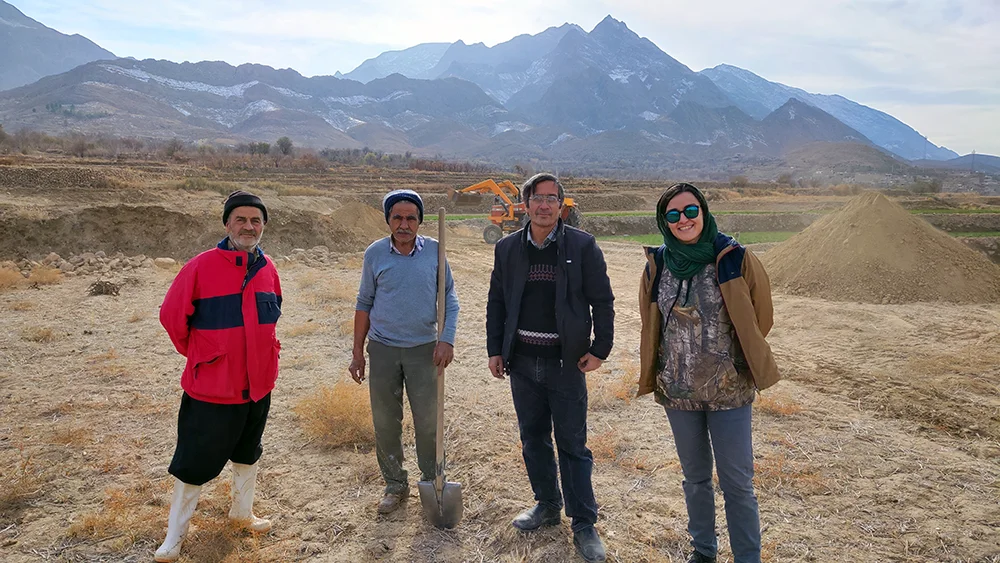
Interventions in multiuse landscapes are only sustainable when local communities help define priorities and share in the benefits. Our teams work directly with village councils, herders’ cooperatives, and local authorities to align restoration plans with real needs and constraints.
The Hub will also act as an education and capacity-building center for herders and farmers to better understand water management, sustainable agriculture, and pasture management.
In this way, we will both reduce pressure on the land by promoting best practices in farming and livestock husbandry and also boost habitat recovery through targeted restoration initiatives.
Learning, Sharing, and Scaling Beyond Turan
Our approach is aligned with the principles of the UN Decade on Ecosystem Restoration (2021–2030), which calls for scaling up evidence-based restoration to support climate, biodiversity, and livelihoods. Each project we implement generates lessons on how to balance water security, habitat recovery, and community well-being under climate stress.
Through the Sarvin Habitat Restoration Hub, we package these lessons into tools, guidelines, and training that can be adapted by other landscapes, agencies, and civil society partners. Our goal is to ensure that what we learn in Turan helps safeguard other critical habitats for the Asiatic cheetah and the people who share its range.