Although at Sarvin we believe in holistic conservation and understand that for wildlife to thrive, water, soil, and vegetation must be in ideal conditions, we are also aware of the direct impact that conservation efforts on wildlife have. Many species are at risk due to human activities, habitat destruction, and climate change. The conservation of these species requires more direct and serious actions. We strive to design quick-impact actions for species that are critically endangered.
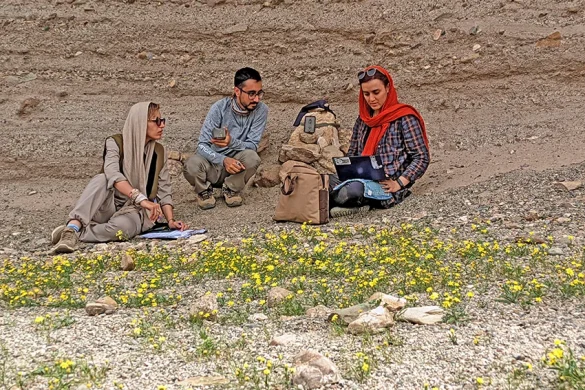
Accurate information: The foundation of effective conservation
In order to better understand the status of various species, especially those like the Asiatic Cheetah that are critically endangered, regular monitoring and surveillance programs are essential. These actions include the use of technologies such as camera traps and tracking. Some of these technologies have been in use in Iran for over two decade.
The data obtained from habitat monitoring and hotspot areas help identify critical locations for species. By identifying and protecting key habitats, we aim to create a safe environment for endangered species. This requires collaboration with both governmental and non-governmental organizations to foster better interaction and management of protected areas.
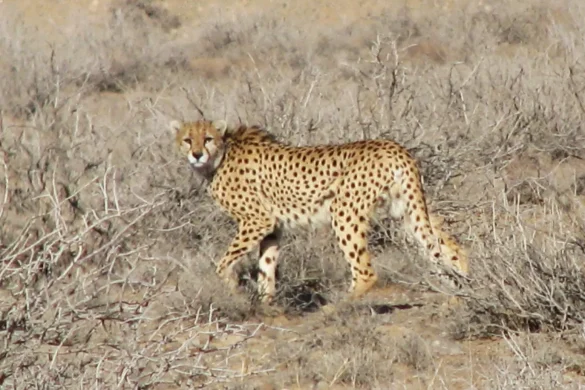
Species Oriented Efforts
For species whose populations have significantly declined, activities should be designed based on the species’ conditions to make conservation effective. These activities may include programs to reduce and prevent illegal hunting, captive breeding programs, reintroduction to natural habitats, restoration of natural populations, and strengthening genetic diversity.
We also strive to raise awareness among local communities and the general public about the importance of wildlife conservation by organizing workshops, seminars, and awareness campaigns. These actions lead to a change in attitudes and behaviors toward wildlife.
Wildlife conservation for habitat sustainability
Wildlife conservation is a collective responsibility that requires the joint efforts of organizations, local communities, and the general public. At Sarvin, relying on our experience and expertise, we implement a variety of programs aimed at the conservation of endangered species and their habitats. Collaboration with governmental and non-governmental organizations, utilizing indigenous and scientific knowledge, and leveraging advanced technologies are among our strategies in this path. Our ultimate goal is to establish a sustainable balance between humans and nature, where wildlife and humans coexist in harmony.