Author: modir

  • Sarvin Wildlife Conservation Presents at the 6th Conservation Asia Congress (CAC Nepal 2026)

    Sarvin Wildlife Conservation Presents at the 6th Conservation Asia Congress (CAC Nepal 2026)

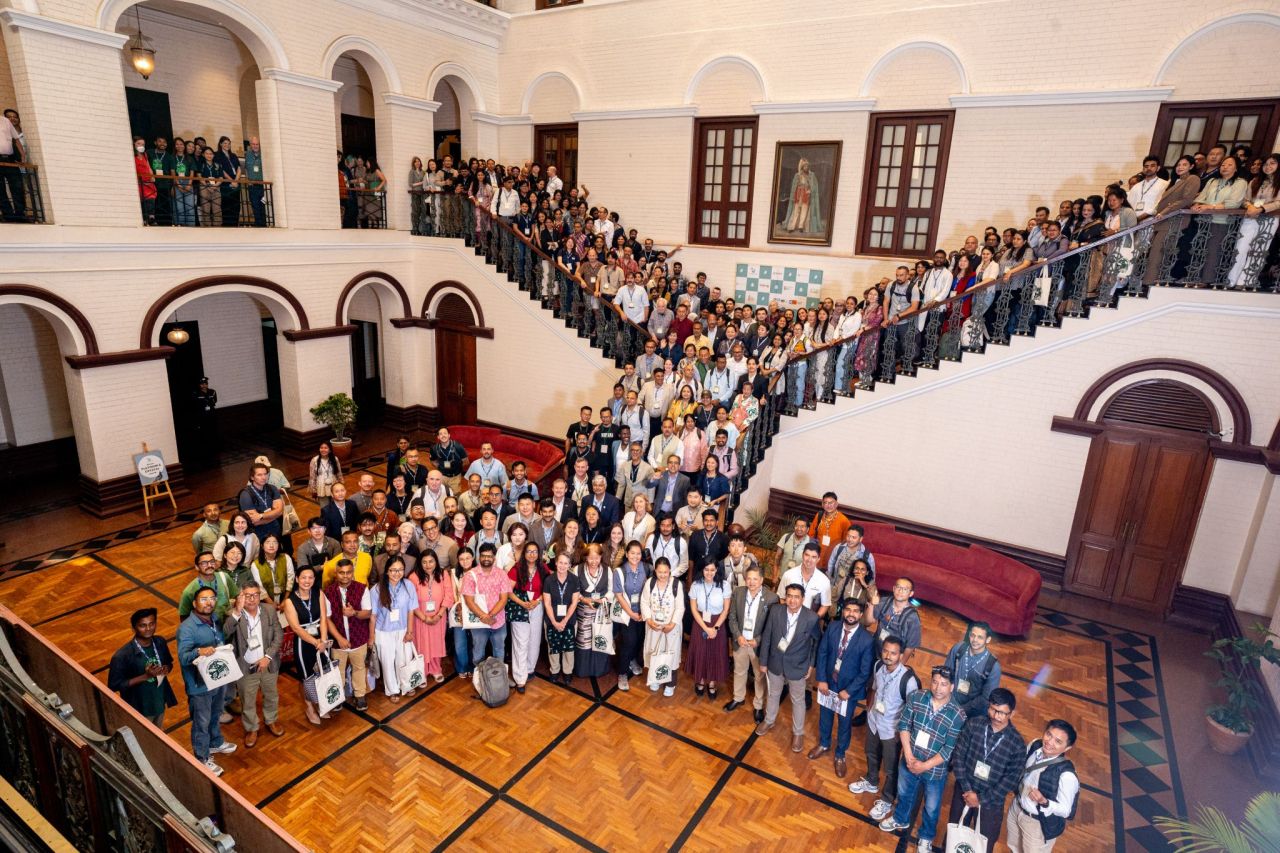
    Two team members from Sarvin Wildlife Conservation presented their field data and project outcomes at the 6th Conservation Asia Congress (CAC Nepal 2026), held from June 3–5, 2026, in Kathmandu, Nepal. Organized by the Society for Conservation Biology – Asia Region (SCB-Asia), the congress is a primary professional gathering for conservation researchers and practitioners across the continent.

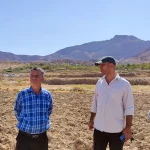
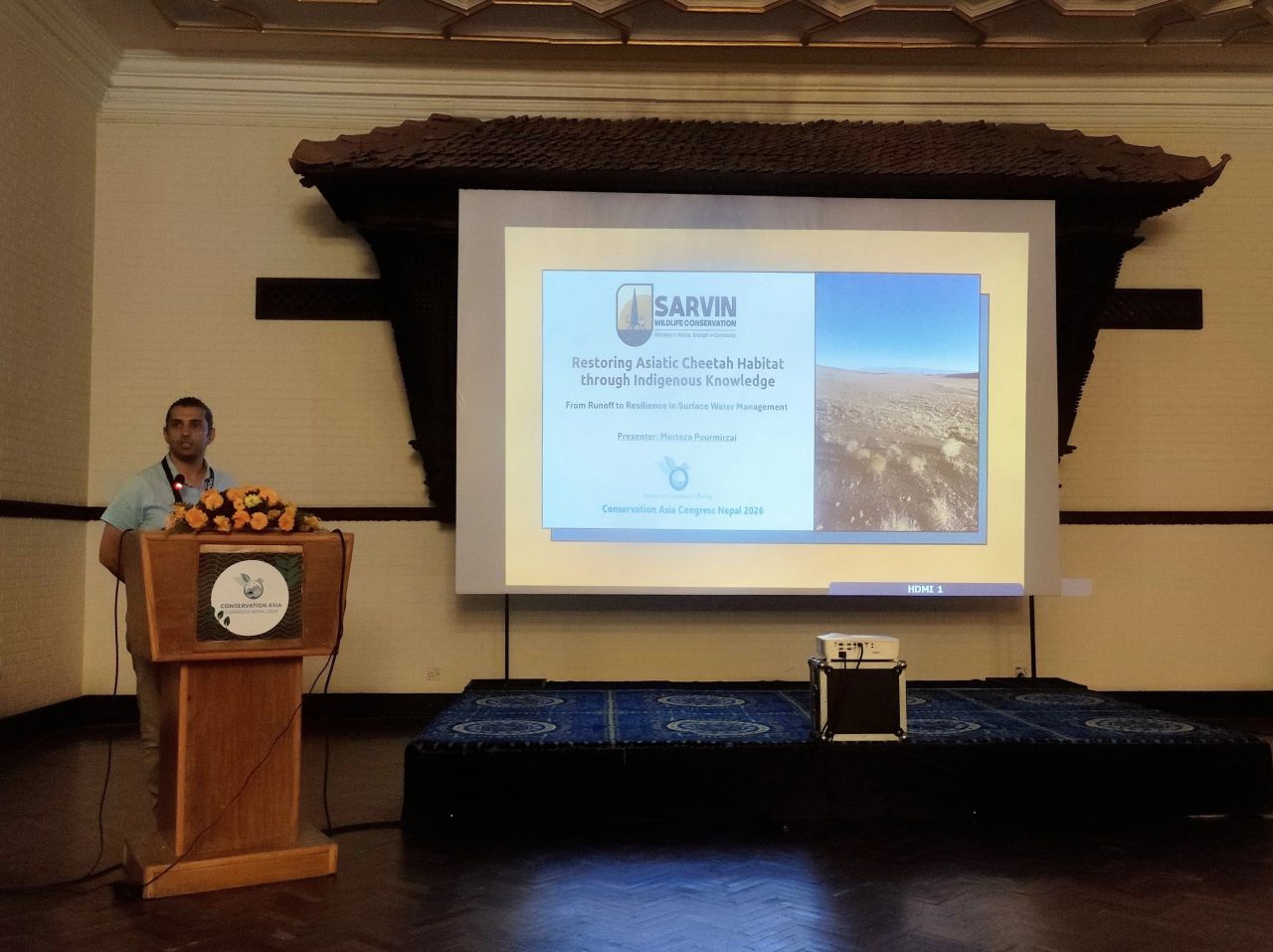
    During the event, Morteza Pourmirzai, Sarvin’s CEO and Co-Founder, delivered a presentation titled “Restoring Asiatic Cheetah Habitat through Indigenous Knowledge.” Reviewing field interventions in the Miandasht Wildlife Refuge, he detailed how integrating Nature-Based Solutions with local community knowledge contributed to the recovery of prey populations and the documented return of the Asiatic Cheetah to the reserve after a six-year absence.

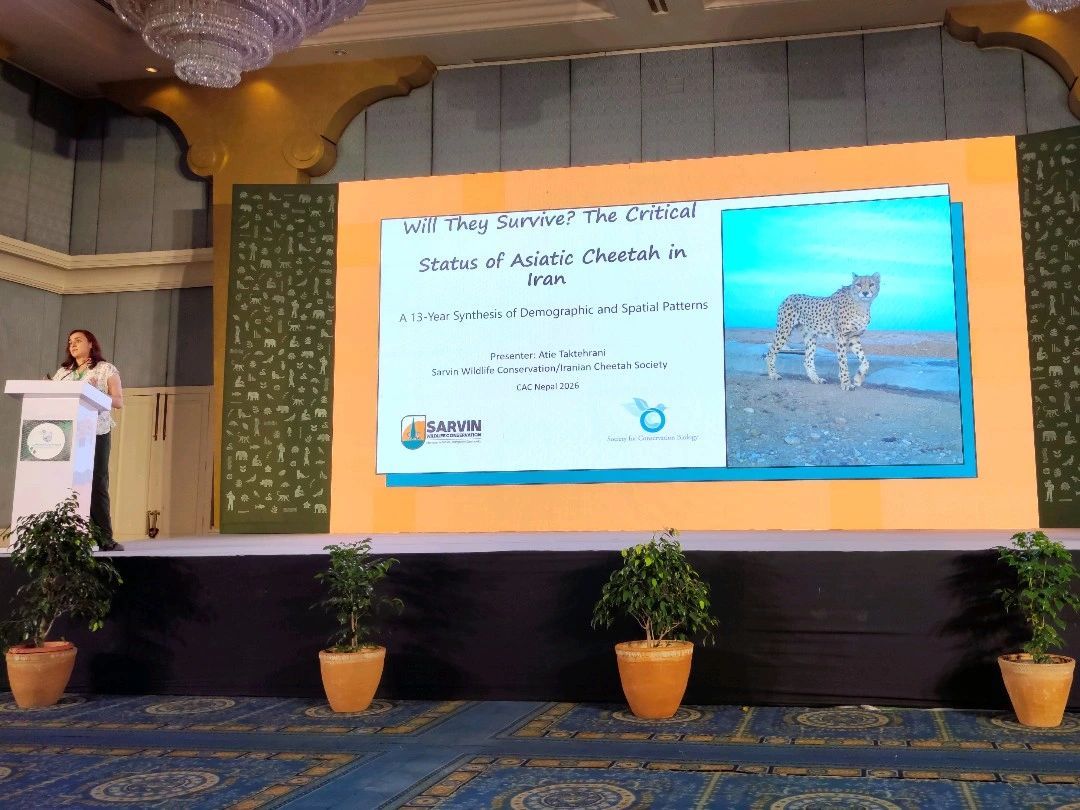
    Additionally, Atie Taktehrani, Co-Founder and Wildlife Conservationist, gave a data-driven presentation on the species’ broader challenges: “Will They Survive? The Critical Status of Asiatic Cheetahs in Iran.” Using a 13-year dataset, she outlined the primary threats to the remaining population, including critically low numbers, poor juvenile survival rates, road mortality, and the vulnerabilities associated with movement outside protected area boundaries.

    Participation in Conservation Asia Congress 2026 was supported by SCB-Asia and its partner organizations.
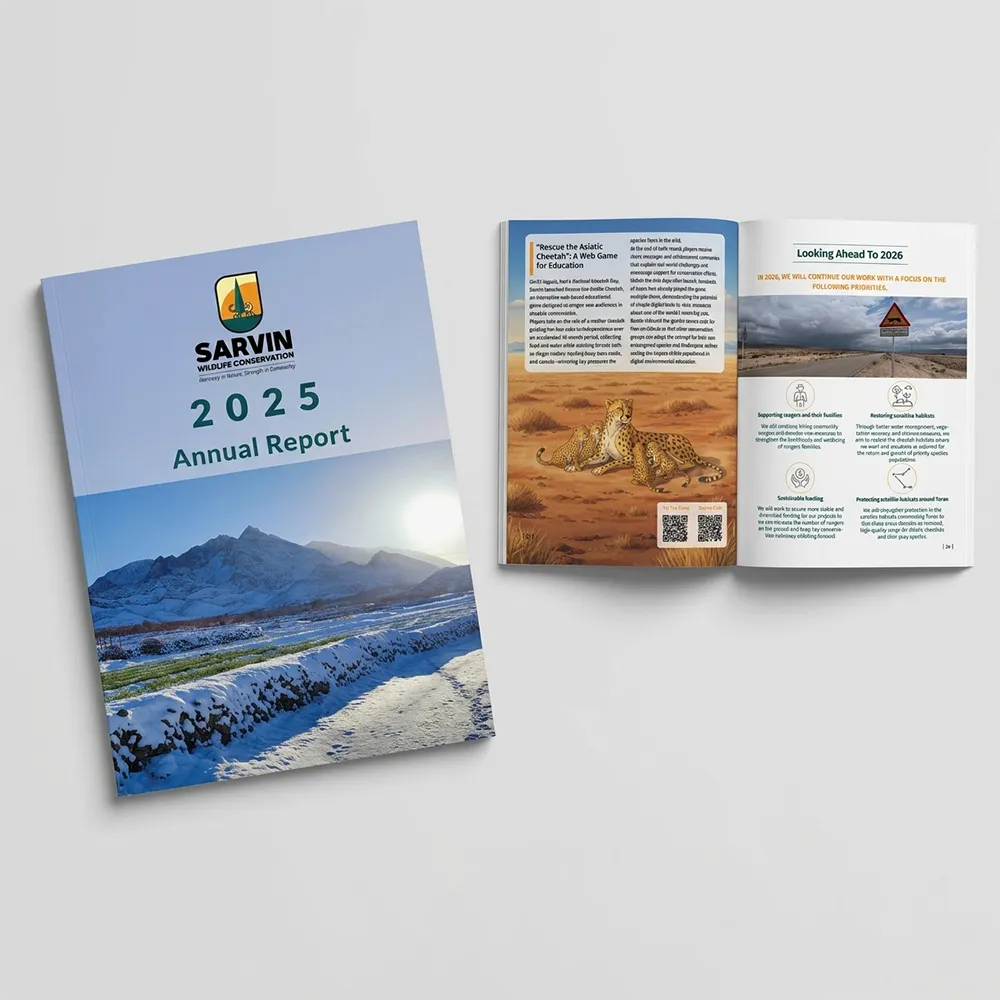
  • Sarvin Wildlife Conservation Releases Its 2025 Annual Report

    Sarvin Wildlife Conservation Releases Its 2025 Annual Report

    In September 2024, Sarvin Wildlife Conservation opened a new chapter in the protection of Iran’s natural heritage. Inspired by the name “Sarv” — the cypress tree, a symbol of resilience in Iranian culture — and guided by the motto Harmony in Nature; Strength in Community, our team spent the first year of Sarvin’s existence turning a long-standing conservation vision into on-the-ground action. Despite financial and political constraints, we worked to maximize our impact on habitat conservation and ranger support across Iran’s most critical cheetah landscapes.

    Our 2025 Annual Report is a full account of that first year: from equipping rangers and supporting their livelihoods in the Touran Biosphere Reserve and Miandasht Wildlife Refuge, to community-led habitat restoration, the launch of the Habitat Restoration Hub in Turan, and the recording of a cheetah and her cub in a habitat where the species had not been confirmed for years. It also covers our outreach work with universities, media, and international collaborators, and the launch of Rescue the Asiatic Cheetah, our interactive conservation game on Iran’s National Cheetah Day.

    Aknowledgment

    None of this work would have been possible without the commitment of our supporters, partners, and friends. We are grateful that they stood with Sarvin throughout 2025 and helped advance our mission.

    Corporate Donors

    Major Individual Donors

    Lili Zamanian, Nigel Hughes, Amirtharaj Christy Williams, Michael Sandys-Wunsch & Simone Eckhardt

    Individual Supporters

    Sadra Moghadam, Hamid Samadzadeh, Aida Abhari, Livvy Cropper, Anshuman Chandra, Yvonne Chin, Sarah Bradbury, Bayanne Consultancy, Negin Valizadegan, Leila Hojjat, Amir Khaboushani, Sanam Akhavi, Shirin Ahmadi, Nahid Gholikhani, Mehdi Ahmadi, Simin Taban, Naeim Jabbari, Vahid Babaei Nejad, Ali Gholami, Alireza Sohrabi, and the MedTrip team.

    Friends of Sarvin whose support was Essential for our Progress

    Faramarz Parsi, Saman Golriz, Mohammad Farhadinia, Negin Samadzadeh, Maryam Shahbazi, Hamidreza Rezaie, Afshin Danekar, Amir Parsa Neshat, Mohammad Darvish, Babak Sarhangpour, Mostafa Hamidian, Farank Askari, Amir Mohajerani, Reza Mohajerani, Amir Hossein Farzaneh, Melika Asadzadeh, the Basefat family, Hossein Moghiseh, Ali Mazhar, Arash Moharrami, Mahsa Mahdizadeh, Nour Iman Mashayekhi, Yashar Jafari, and Farzad Kafaee.

    Government Partners

    Shina Ansari, Hamid Zohrabi, Jila Aghaei, Reza Shekariyan, Saeed Yousefpour, Ahmad Safarzadeh, Majid Ajami, Ahmad Radman, and all the rangers working in Turan and Miandasht.

    Download

  • Sarvin and Qaleh Bala Village Council Sign MoU for Desert Habitat Restoration

    Sarvin and Qaleh Bala Village Council Sign MoU for Desert Habitat Restoration

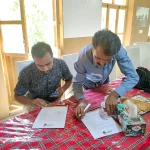
    We have formalized a long-term memorandum of understanding (MoU) with the Qaleh Bala Village Council, launching a pivotal project to restore degraded habitats in the Touran Biosphere Reserve, a critical stronghold for the Iranian cheetah. This partnership, aimed at establishing Sarvin’s first research and implementation center under the framework of Ecosystem Restoration, focuses on producing native seedlings and collecting seeds from rangeland plants, in alignment with the United Nations’ Decade on Ecosystem Restoration (2021-2030).

    Qaleh Bala, a village pursuing UNESCO World Heritage status for its leadership in environmental conservation, will host this groundbreaking center. A plot of land owned by Mr. Mousa Ajami, a local resident, has been designated for a greenhouse to cultivate native seedlings and seeds. This initiative marks the first step in restoring desert ecosystems from Touran to Miandasht, while setting a model for close collaboration with local communities.

    Sarvin commits to providing expert environmental guidance and working alongside the Qaleh Bala Village Council and the village’s Environment House. The council, in turn, will offer administrative support and facilitate local coordination to ensure the project’s success. Beyond habitat restoration, this partnership envisions sustainable development in areas such as smart water management, farmer education, and climate change adaptation.

    Supported by the enthusiasm of Qaleh Bala’s residents and council, this project has the potential to inspire similar efforts across the Touran Biosphere Reserve and beyond. At Sarvin, we firmly believe that protecting nature and empowering local communities are two sides of the same coin. We extend our heartfelt gratitude to the Qaleh Bala Village Council, the village head, and the community for their dedicated support. Stay tuned for more updates on this transformative journey.

  • “Rescue the Asiatic Cheetah”: A Pioneering Game for Education and Conservation

    “Rescue the Asiatic Cheetah”: A Pioneering Game for Education and Conservation

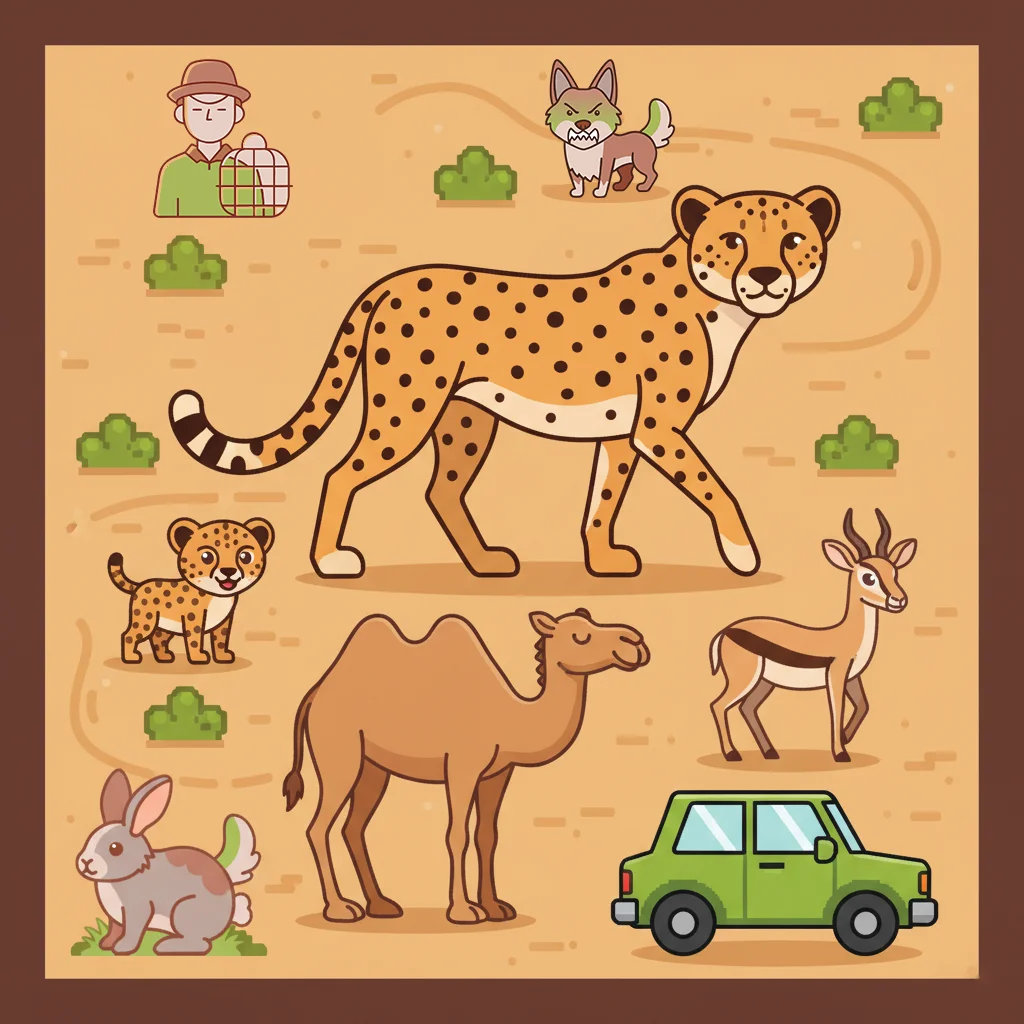
    On August 31th, Iran’s National Cheetah Day, we unveiled “Rescue the Asiatic Cheetah,” an interactive web-based game designed to engage and educate. Developed in just 30 hours using cutting-edge AI tools, the game combines fun with a powerful conservation message, raising awareness about the critically endangered Asiatic cheetah.

    Players take on the role of a mother cheetah, tasked with guiding her four cubs to independence over 18 months (120 seconds in real-time). Navigating parallel paths, players collect vital resources like food and water while avoiding threats such as the Cheetah illegal trader, herding dogs, roads, and camels. At the end of each game, educational messages and achievements highlight the real-world challenges facing cheetahs, encouraging players to support conservation efforts.

    Developed using KILO Code for programming and Recraft for graphics, the game has already gained traction. Within two days of launch, 314 players engaged with it, averaging three plays each, collectively “saving” 1,453 months of cheetah cub lives.

    This game is a testament to how technology can amplify conservation efforts. By sharing its source code, we hope to empower global organizations to adapt it for their own endangered species. Sarvin plans to release the game’s source code for free, enabling other conservation groups to create tailored versions for their species.

  • Updated Asiatic Cheetah Habitat Map in Central Asian Mammals Migration and Linear Infrastructure Atlas

    Updated Asiatic Cheetah Habitat Map in Central Asian Mammals Migration and Linear Infrastructure Atlas

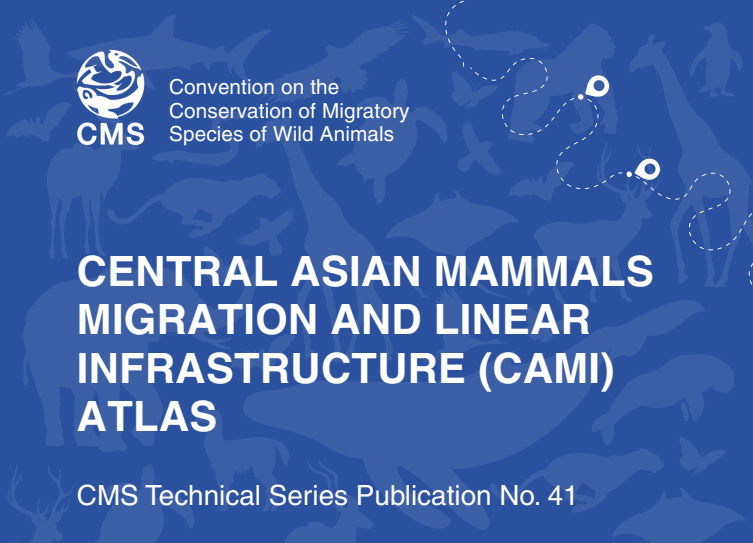
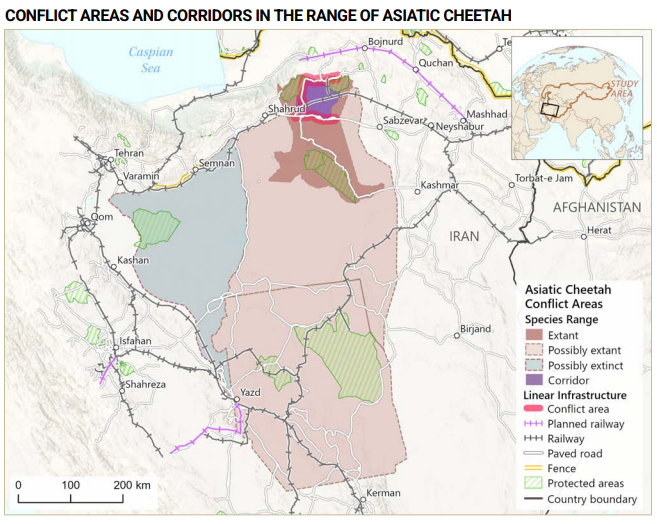
    We are pleased to announce an update of the Asiatic Cheetah’s data in the Second Edition of the Central Asian Mammals Migration and Linear Infrastructure (CAMI) Atlas, following an international collaboration. This update, enriched with new satellite tracking data and refined analyses, highlights the critical loss of habitats and conflict zones for this endangered species.

    With a population of less than 20 individuals in Iran, the Asiatic Cheetah relies on vast, connected ecosystems for survival. However, expanding linear infrastructure, notably the Tehran-Mashhad highway transecting a vital corridor between the Touran Biosphere Reserve and the Miandasht Wildlife Refuge, poses a severe threat. Data reveals that at least 14 cheetahs were killed in road accidents between 2005 and 2016. This collaboration with the CAMI Atlas provides a crucial tool for integrating wildlife conservation into infrastructure planning, emphasizing the empowerment of local communities and rangers.

    Updated Asiatic Cheetah Habitat Map in Central Asian Mammals Migration and Linear Infrastructure Atlas

    To download the atlas, please click here.

  • Helia in Miandasht Wildlife Refuge

    Helia in Miandasht Wildlife Refuge

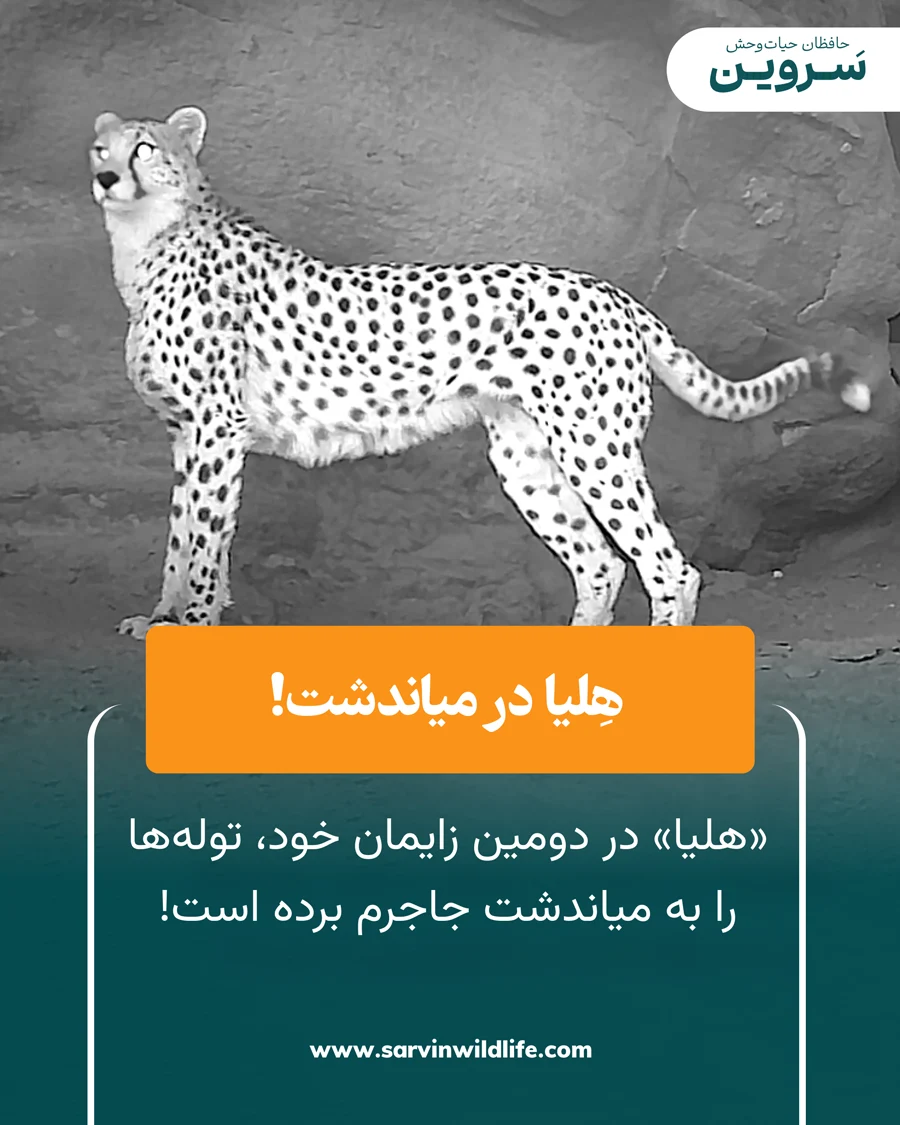
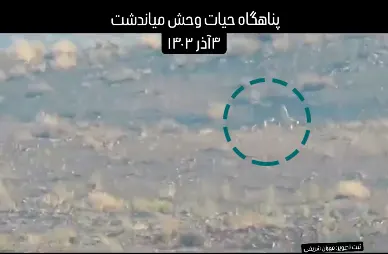
    In December of this year, after six years, the Asiatic cheetah was once again recorded in the Miandasht Wildlife Refuge. The cheetahs that had been recorded previously were not identifiable due to the considerable distance, but the image captured five days ago by the camera traps of the North Khorasan Environmental Department revealed that this cheetah, a mother, is Helia. Unfortunately, her two cubs, born this year, are not visible in the image, likely because they did not come in front of the camera with their mother.

    A week before this image was recorded, three cheetahs (a mother and two cubs) were spotted outside of Miandasht, and with the help of park rangers, volunteers, and locals, the risk of them being involved in a collision was avoided. The image of Helia reinforces the assumption that this is the same family and, fortunately, they have returned to the safe zone of Miandasht.

    Helia is a five-year-old female cheetah born in 2019. She is the daughter of Herb, a successful and older female cheetah from the Turan Biosphere Reserve, and this is her second time becoming a mother. Last year, she lost her male cub to a road accident but was able to give birth to two more cubs this year.

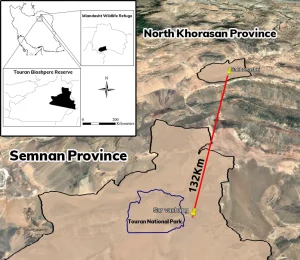
    The furthest point where we recorded Helia was in 2021, when she was with her two cubs in the Turan Wildlife Refuge, located about 132 kilometers away from her current location in the heart of the Miandasht Wildlife Refuge in North Khorasan Province. This remarkable movement of cheetahs is unique to the Asiatic subspecies, and it makes their conservation in Iran’s central deserts much more challenging.Asiatic Cheetah Movement

    Helia has once again shown us how far cheetahs can move beyond our expectations. Installing satellite trackers has become an essential part of conservation today, as it is the only way to better understand these movement patterns. To conserve the few remaining cheetahs, we certainly need information that goes beyond mere guesses and assumptions.
    We hope that Helia’s return to Miandasht signifies the selection of this habitat to raise her cubs and establish a new population in this favorable region.

    As always, we are deeply grateful to the director of the Jajarm County and all the dedicated rangers in the area, whose love for cheetah conservation has made the region hospitable for the return of this species. We also appreciate the continued support of the Director-General of North Khorasan Province.

  • Celebrating the Establishment of Sarvin Wildlife Conservation

    Celebrating the Establishment of Sarvin Wildlife Conservation

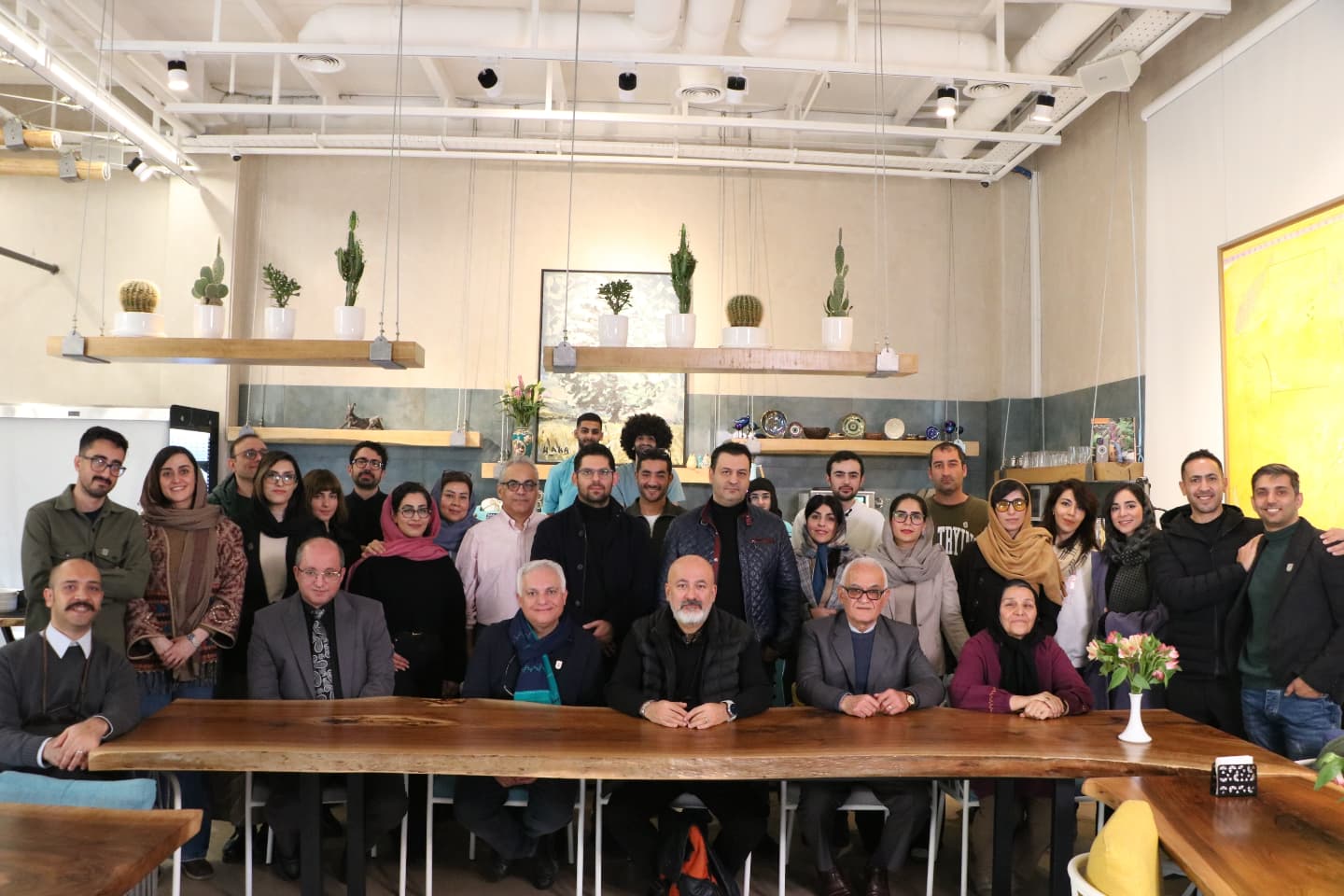
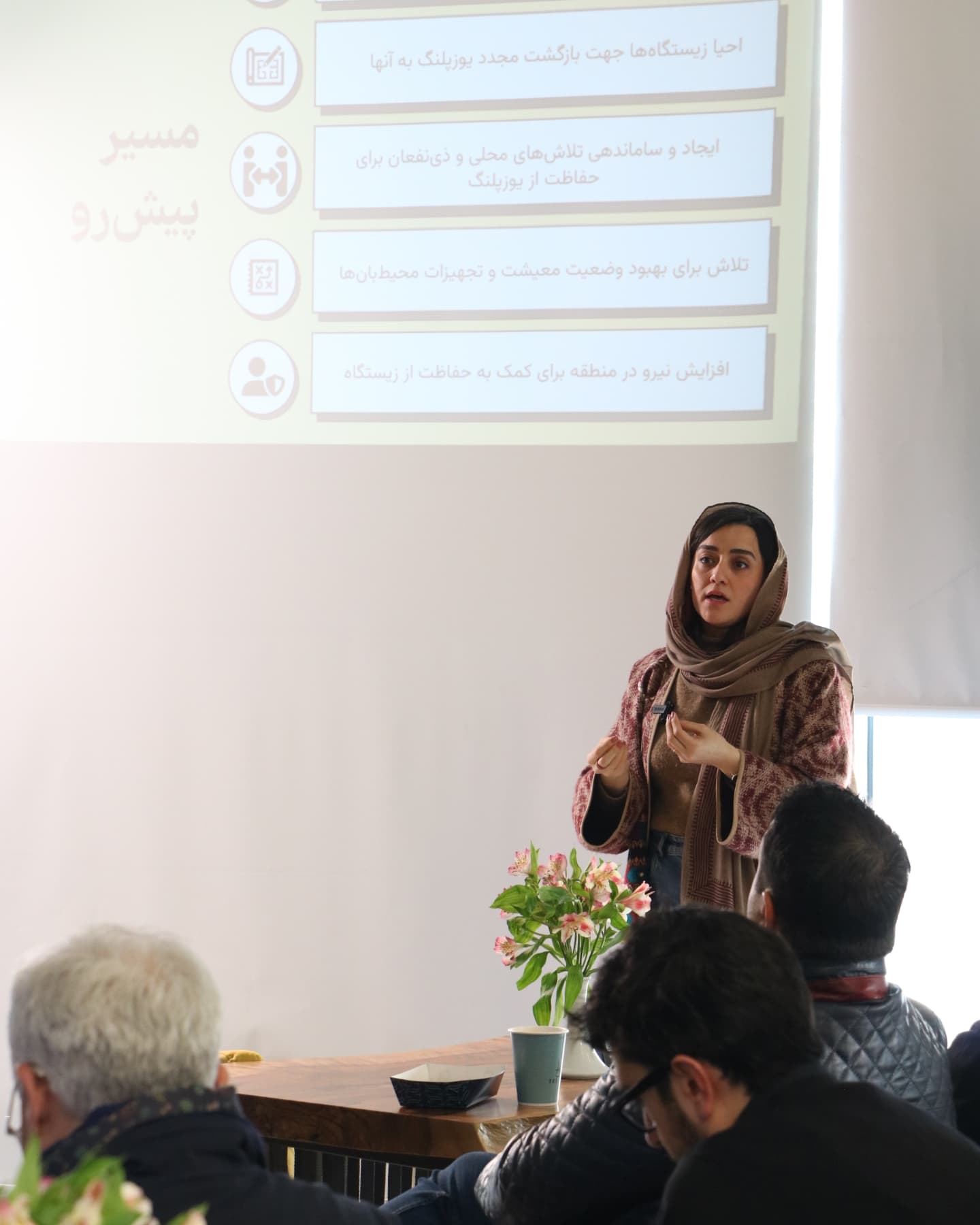
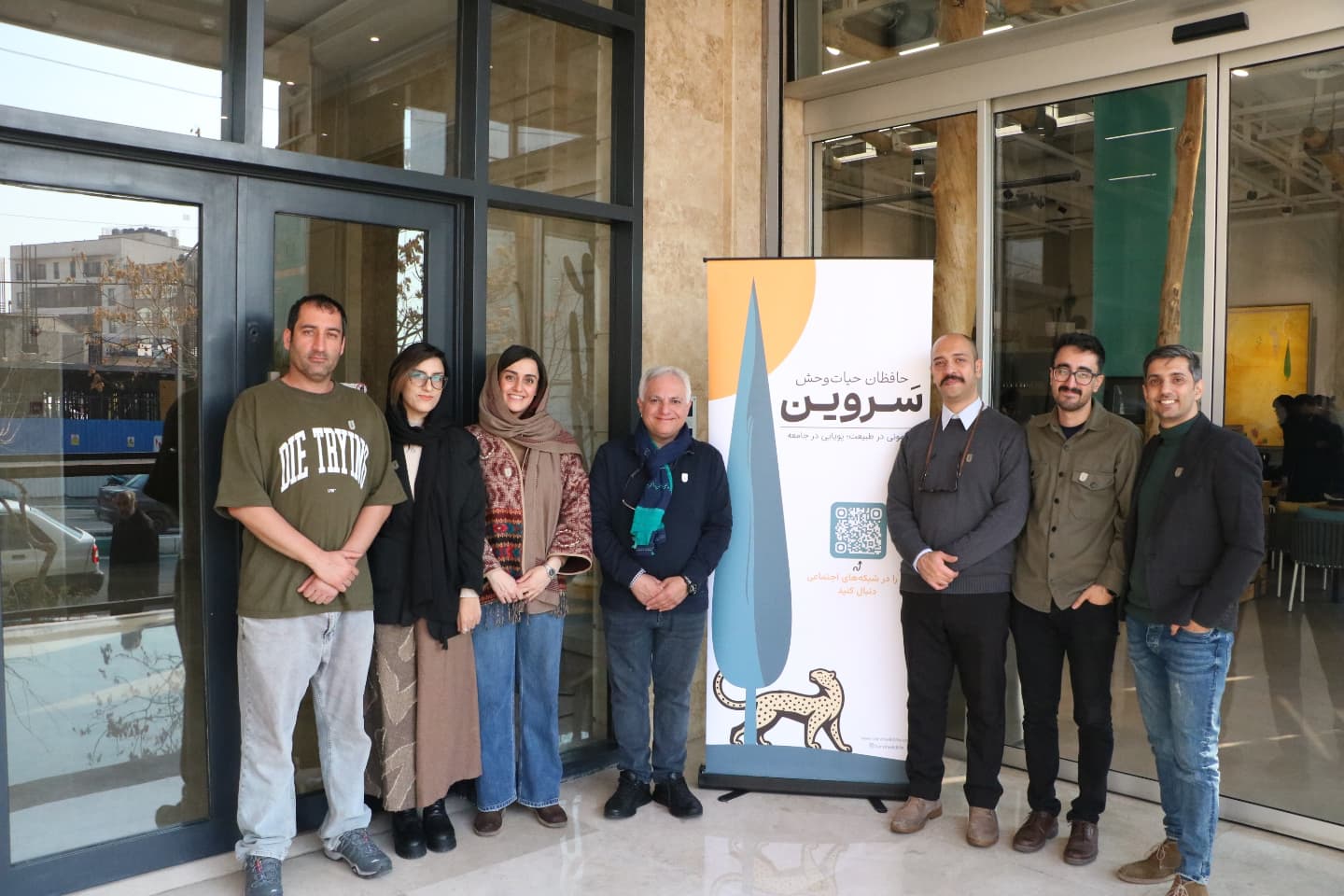
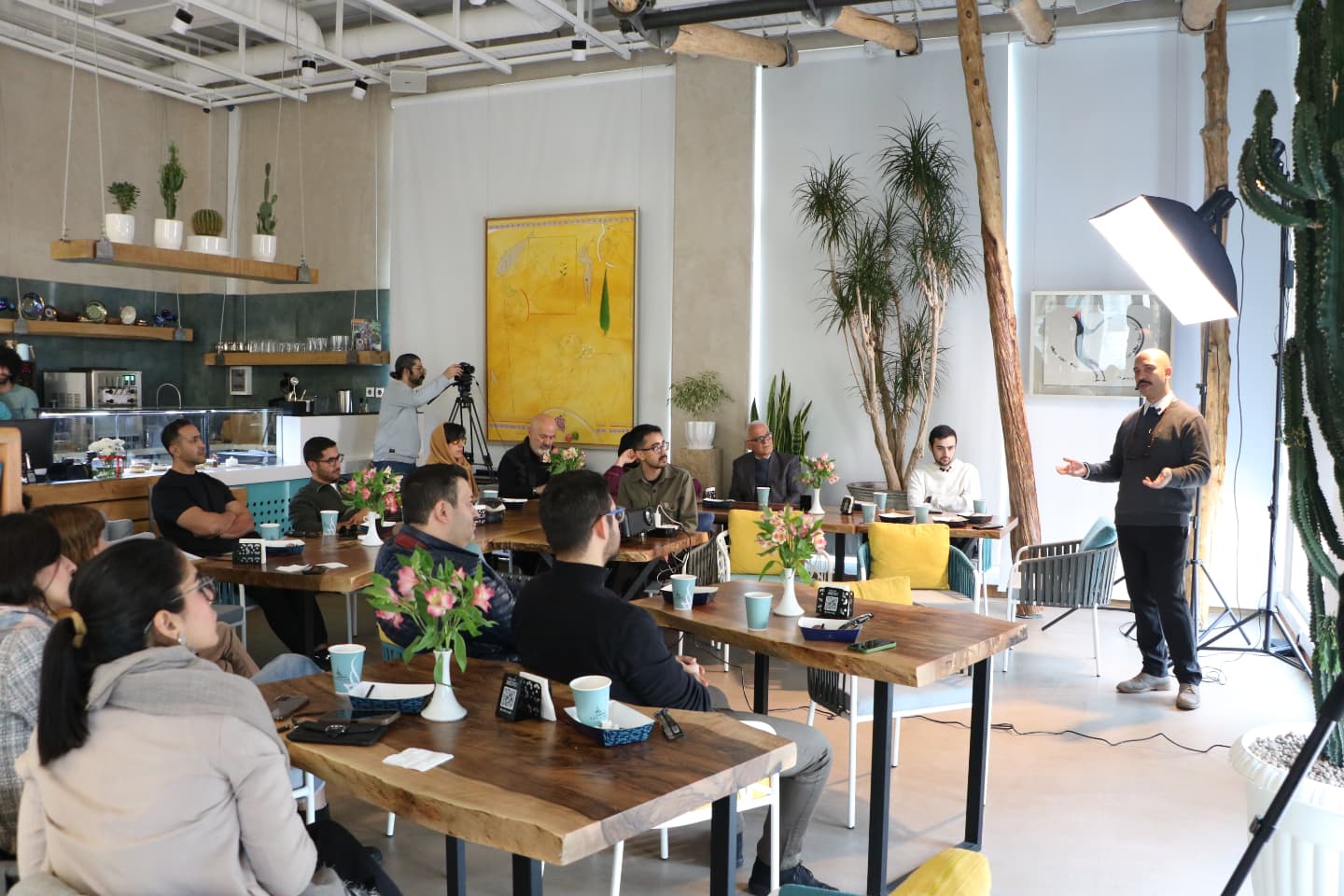
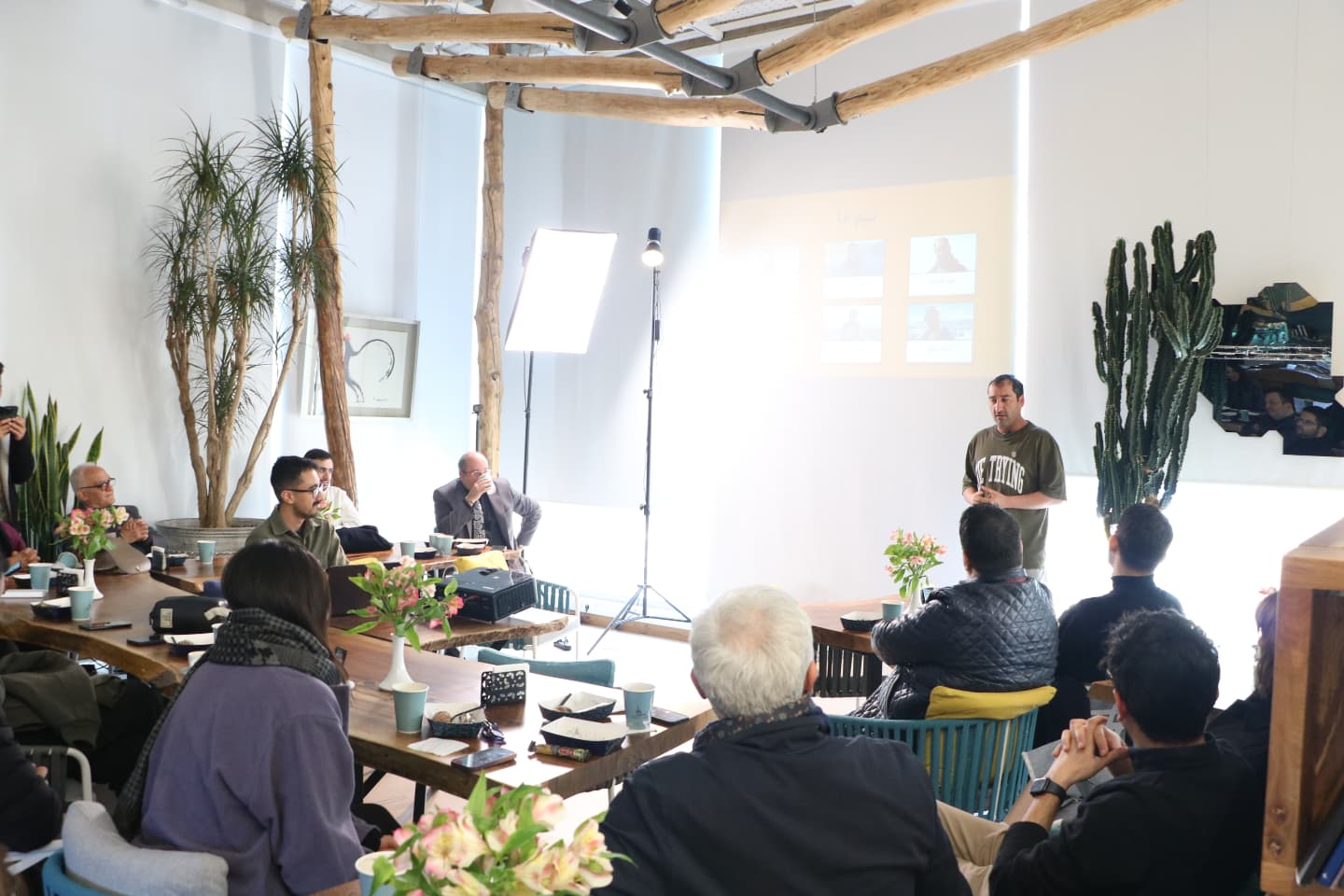
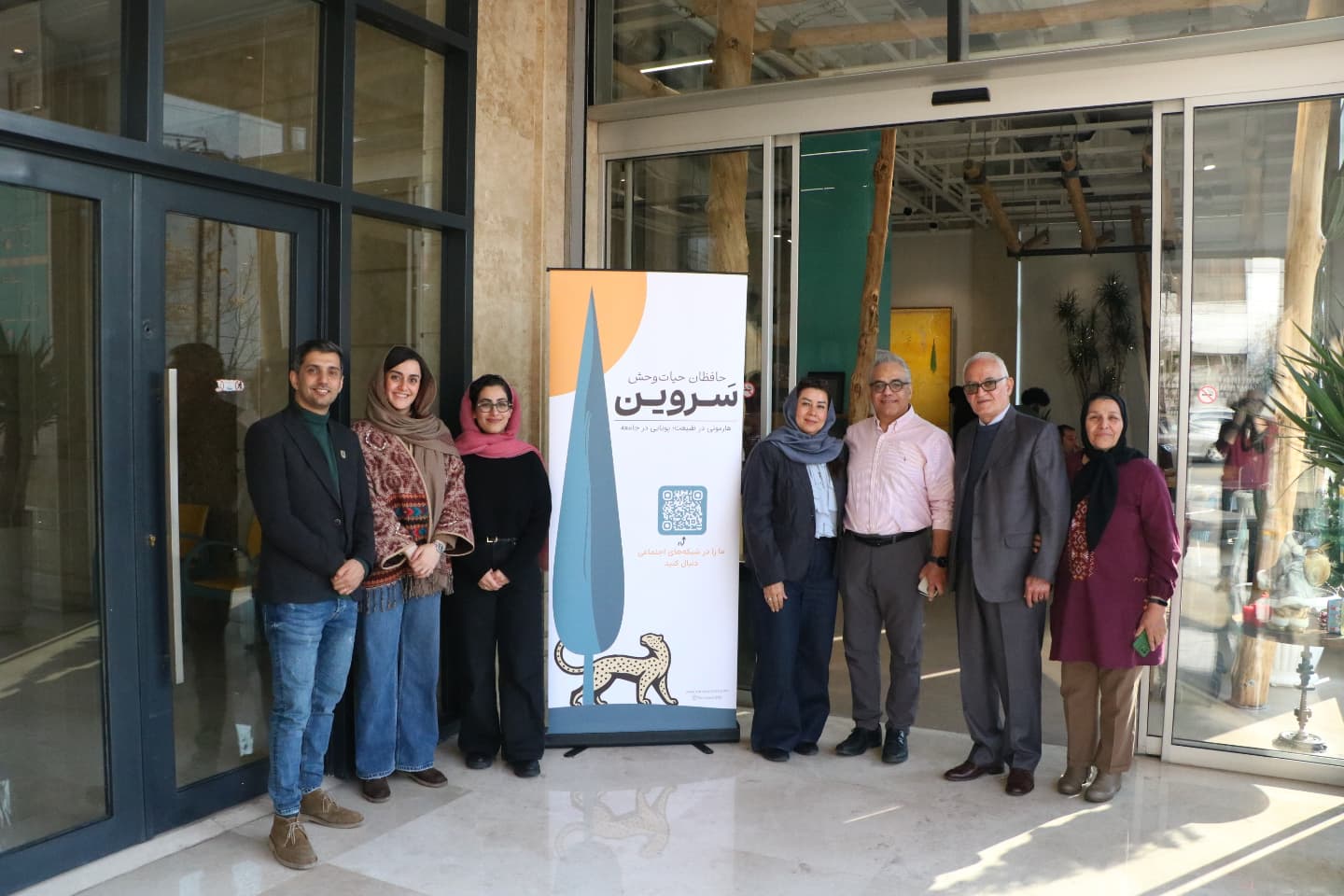
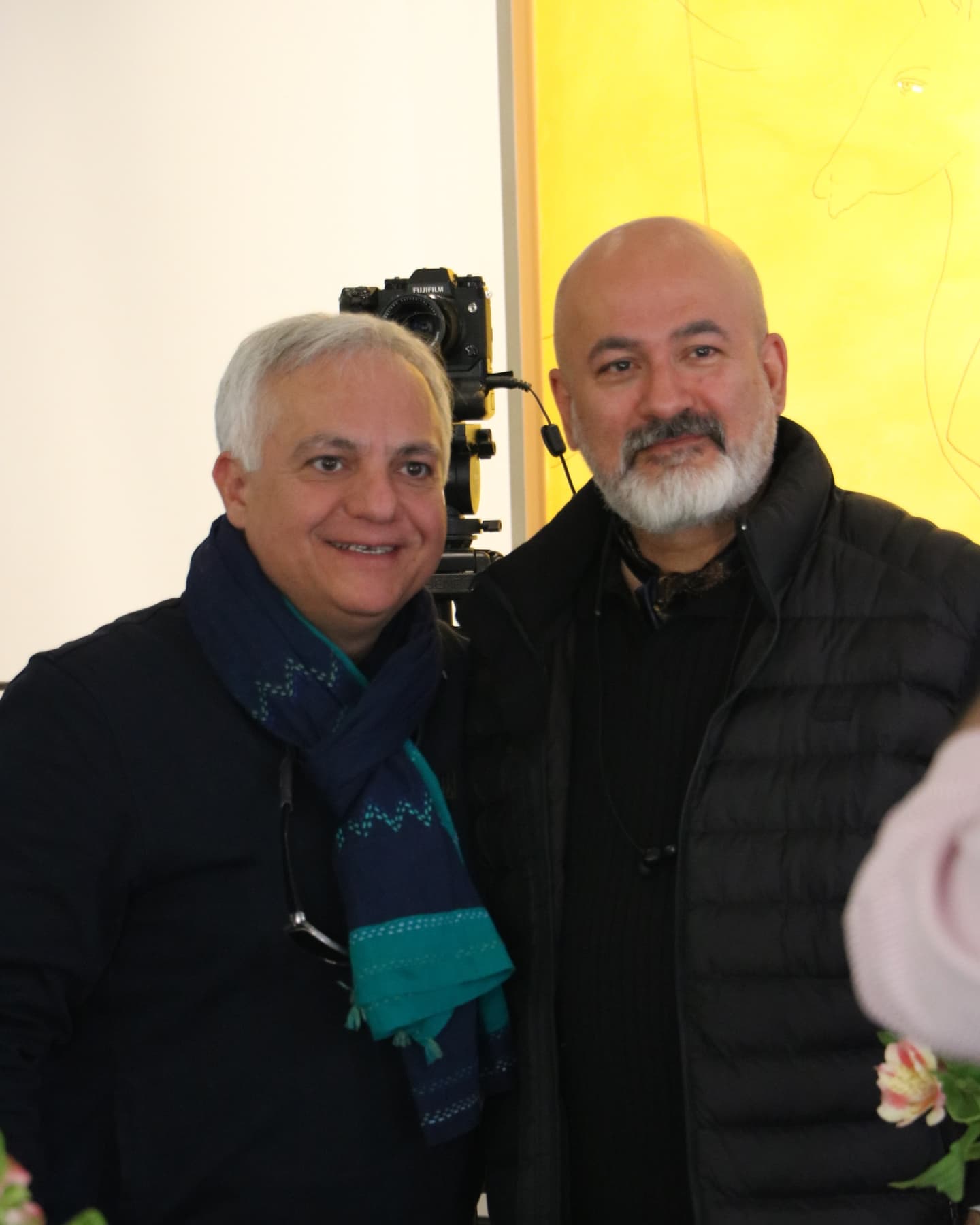
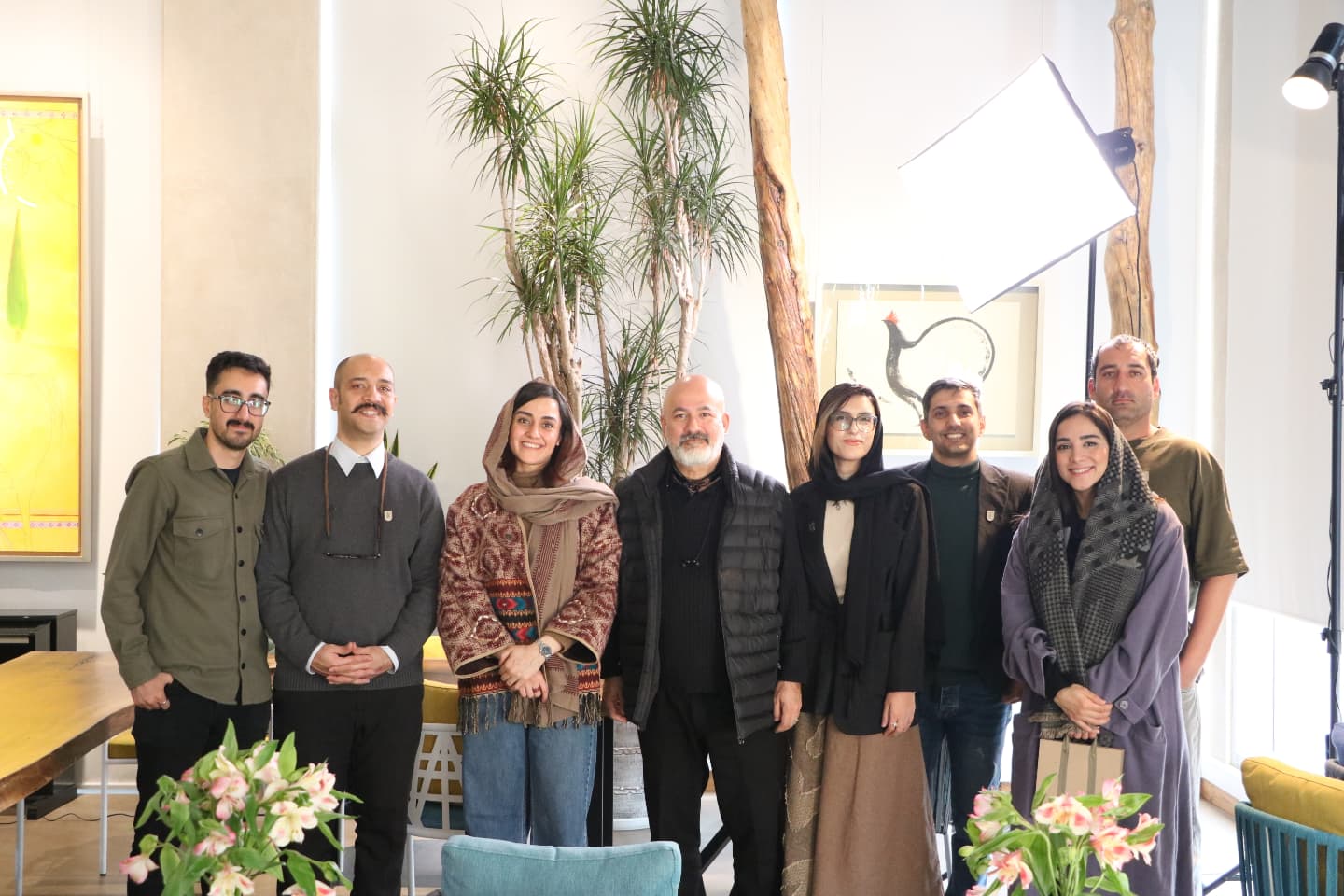
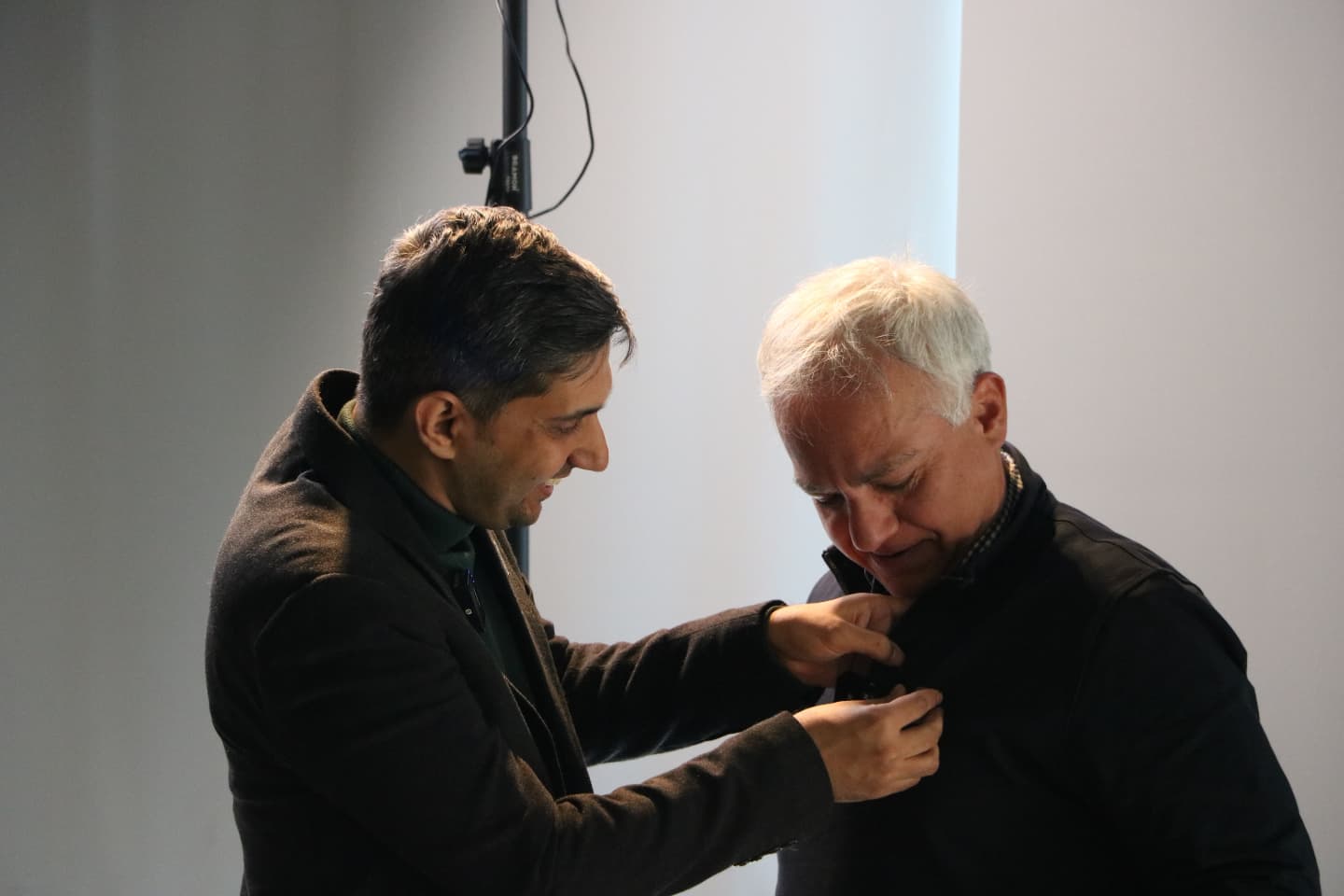
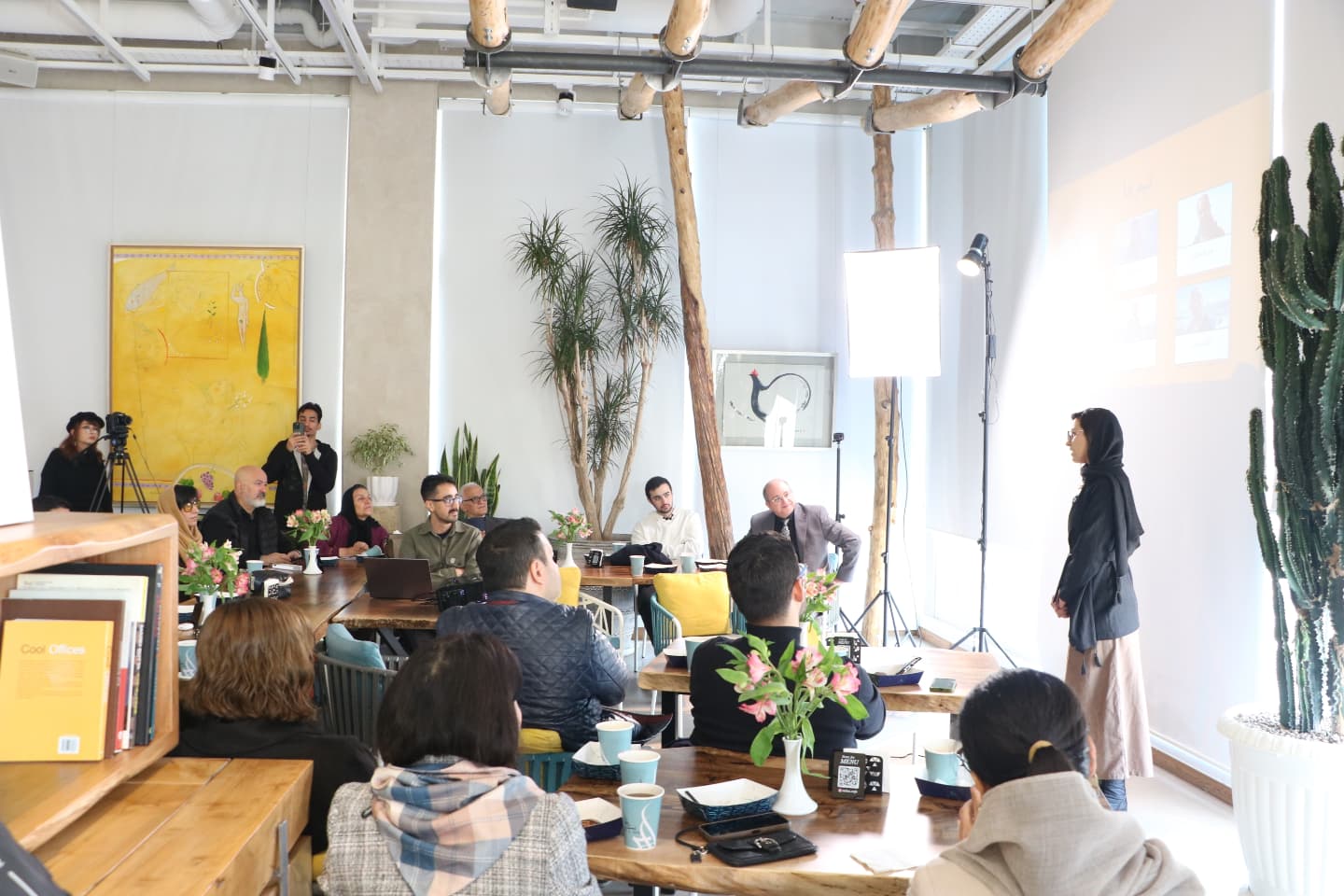
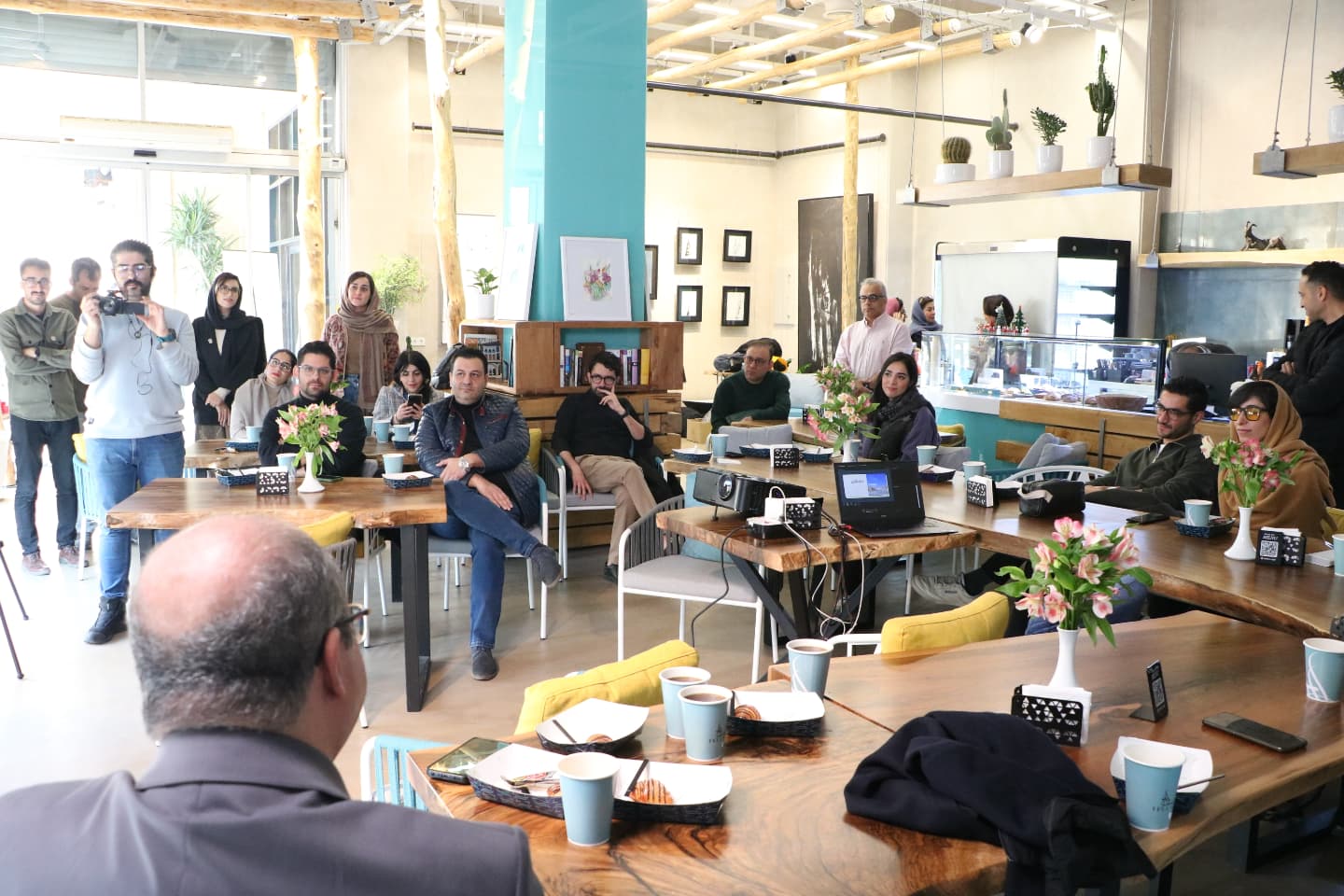
    In September 2024, after over a decade of experience in wildlife conservation across Iran, our organization was officially registered. We celebrated this new beginning on January 4th with the support of our friends and advocates. During the event, we shared the vision and mission of Sarvin Wildlife Conservation with our guests, aiming to convey the future we envision for the nature of this land.

    We are deeply grateful to all those who attended the ceremony and encouraged us as we embarked on this new journey. Their presence and support amidst numerous challenges gave us the strength and hope to continue our work.

    A special thank you goes to the following individuals and organizations:

    • Saman Golriz, whose generous support covered a significant portion of the event’s catering costs and made the gathering even more delightful with his homemade Gulabi and Zereshk stew.
    • Cafe “Be Ma Bego” (Tellus) and the “Ba Safat” family, who kindly offered their cafe space for several hours, aligning with their social responsibility and cultural mission.
    • Arash Mahrami from Arashioustu Studio, who took on the task of filming and documenting the event.
    • Dramonstudio, which provided the filming equipment.
    • Yashar Jafari (@yaasharjafari), who beautifully captured the moments of the ceremony through his photography.
    • Dokme Studio, which worked on the graphic designs for the event.
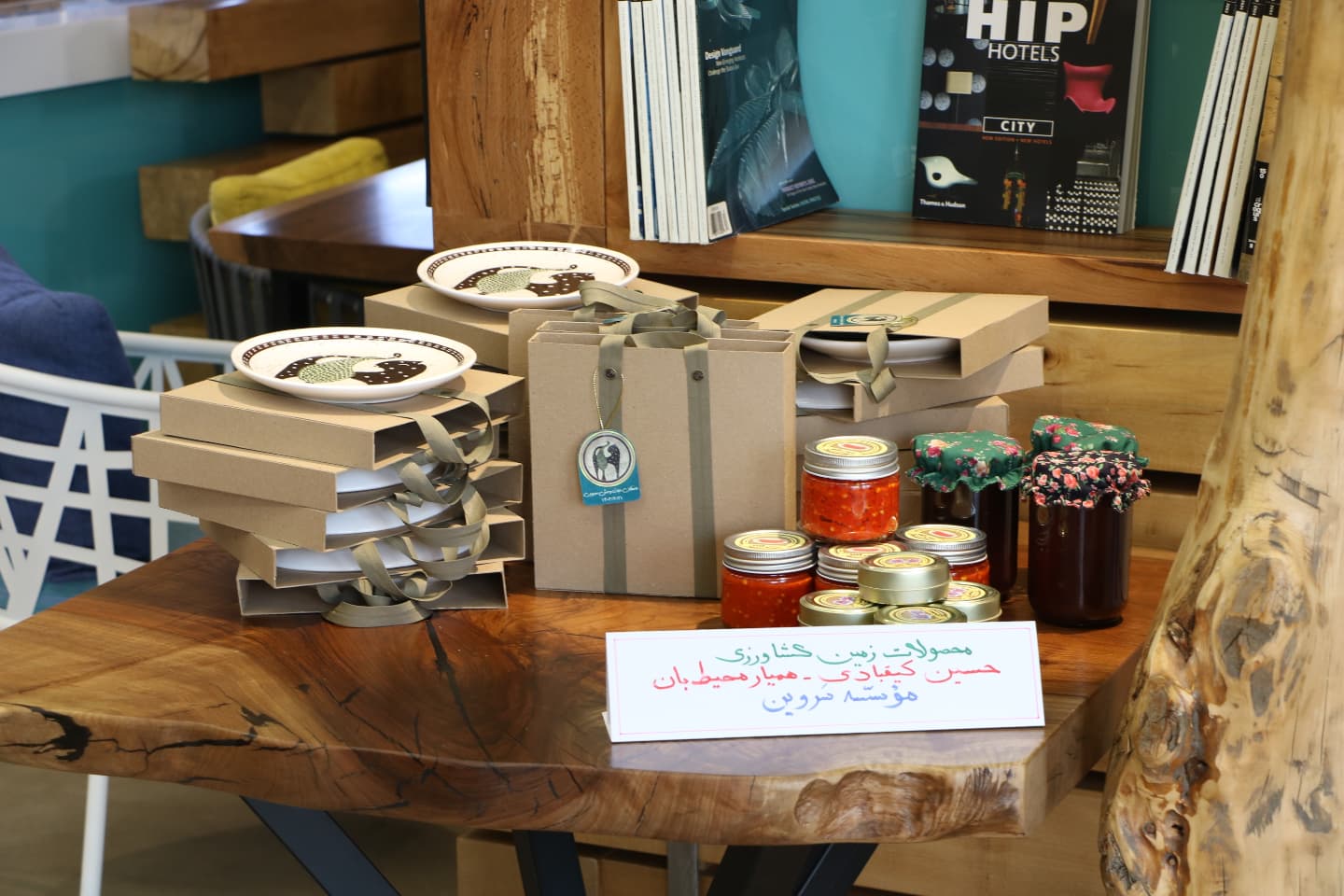
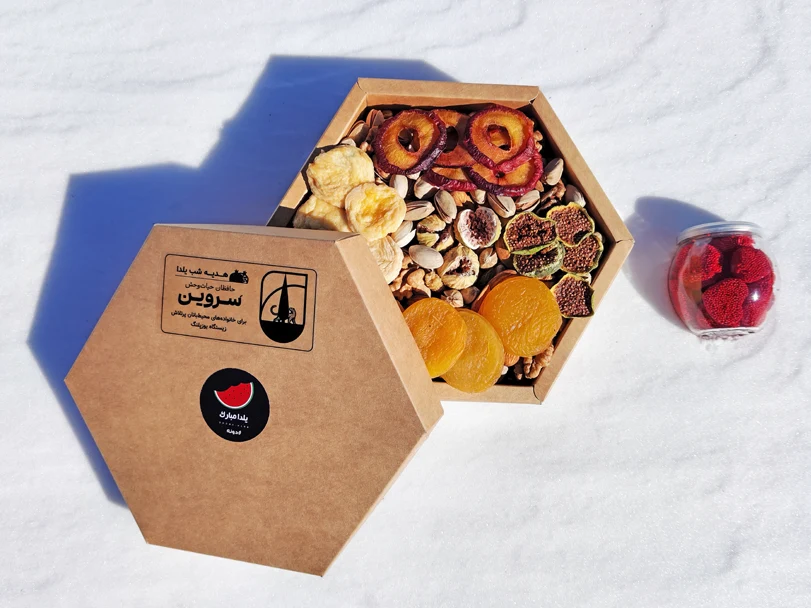
    • Samaneh Vosough, who, with her artistic talent, designed plates inspired by the logo of our organization for the gift packages.
    • Bahareh Pilgar, who designed the beautiful gift boxes in which the plates were presented.

    The kindness and voluntary collaboration of these individuals helped make this event possible with minimal cost, creating a lasting memory for all of us.

    We look forward to continuing this journey, and we are grateful for the support that has enabled us to take the first steps toward achieving our mission of wildlife conservation in Iran.


  • Yalda Gift Packages Delivered to Protectors of Asiatic Cheetah Habitats

    Yalda Gift Packages Delivered to Protectors of Asiatic Cheetah Habitats

    Rangers are the backbone of wildlife conservation, dedicating themselves to the protection of endangered species like the Asiatic cheetah and their fragile ecosystems. Working tirelessly, often under challenging conditions, they are the ones who prevent illegal hunting, manage critical habitats, and monitor biodiversity. Their efforts are essential for the survival of these species and the preservation of our natural heritage.

    However, these brave individuals often face economic hardships and lack sufficient resources, which can affect both their well-being and morale. This is where we, as a community, can play a significant role. Supporting them is a small yet meaningful way to show appreciation for their unwavering commitment and to boost their motivation to continue their vital work. In sensitive habitats such as those of the Asiatic cheetah, this kind of support has a direct impact on the effectiveness of conservation efforts.

    To honor the tireless work of rangers in the Turan Biosphere Reserve and Miandasht Wildlife Refuge—two of the primary habitats for Asiatic cheetahs in Iran—we launched a campaign to provide special Yalda (the Iranian winter solstice) gift packages to 47 rangers and their families. The initiative was made possible thanks to the generosity of Ahmad Tea, as well as individual donors, who helped cover the cost of the packages.

    In addition to the contributions from our sponsors, a crowdfunding campaign raised 7,570,000 Toman from our supporters to cover the remainder of the expenses. The final balance was funded by Sarvin Wildlife Conservation to ensure the timely delivery of the packages, just in time for the Yalda celebration.

    These Yalda packages were not only a token of appreciation but also a reflection of our commitment to improving the livelihoods and well-being of the rangers. At Sarvin, we believe that the mental and physical well-being of rangers is just as important as their conservation work. A ranger in good health and high spirits is crucial to the health of the habitats they protect.

    Additionally, these packages included special gifts for the rangers’ children, thanks to a generous discount from the Duneh store. It’s our hope that this small gesture will contribute to boosting the morale of our conservation heroes, reminding them that their dedication is truly valued.

  • The Decade of Ecosystem Restoration

    The Decade of Ecosystem Restoration

    The United Nations has designated the decade from 2021 to 2030 as the Decade of Ecosystem Restoration. Ecosystem restoration refers to efforts aimed at helping recover ecosystems that have been degraded or destroyed, as well as protecting those that remain healthy and intact.

    Our habitats in Iran are not exempt from this challenge, having suffered extensive to minor degradation due to various factors such as human activities and the effects of climate change. Restoring damaged habitats can help preserve all the species within those ecosystems, while also having a direct impact on the quality of life for local communities living around these areas.

    At Sarvin, we hope to dedicate a significant portion of our efforts to the restoration and rehabilitation of habitats, particularly those of the cheetah.


  • Cheetah Spotted Again in Miandasht Wildlife Refuge After Six Years

    Cheetah Spotted Again in Miandasht Wildlife Refuge After Six Years

    The sighting of a cheetah in Miandasht Wildlife Refuge after six years brought tears of joy to many. These were individuals who, over the years, remained steadfast in their commitment to conservation, working tirelessly to improve the region day by day. Their efforts led to a remarkable increase in prey populations, exemplary water resource management, and the strengthening of vegetation cover. In the past year, multiple cheetah sightings near the region’s borders had raised hopes for their eventual return to the refuge itself. This recent sighting is not merely a record of presence after years of absence—it carries much greater significance, with several key aspects highlighting its importance.

    • The protection of historically significant habitats with potential should never be abandoned. Conservationists may inevitably face moments of despair, but completely halting conservation efforts is a grave mistake.
    • The arrival of cheetahs in the heart of Miandasht indicates that they are rediscovering the movement corridors once used by cheetahs traveling between Turan and Miandasht. It was previously believed that with the disappearance of those cheetahs, the new generation might not restore this route. However, this presence offers hope for the revival of this migration pathway. Even if the cheetahs leave the area again, with continued population growth, their offspring are likely to establish a new population in Miandasht in the near future.
    • The comprehensive protection of the intermediary area known as “Yoozkenam,” crucial for cheetahs reaching Miandasht, is far more essential than we might assume. While current conservation efforts are commendable, they are far from sufficient.

    This important sighting is owed to the leadership of Ahmad Safarzadeh, head of the Environmental Department in the Jajarm district, the rangers of the region, the dedicated volunteers from the city of Jajarm, and the support of the Director General of Environmental Protection in North Khorasan.
    P.S. The maintenance of a safe distance to prevent any stress on the cheetahs reflects the professionalism of the cameraman and the team involved. Recording a sighting without causing stress is far more important than capturing a high-quality image for identification purposes.