Category: Landscape Conservation

  • Sarvin and Qaleh Bala Village Council Sign MoU for Desert Habitat Restoration

    Sarvin and Qaleh Bala Village Council Sign MoU for Desert Habitat Restoration

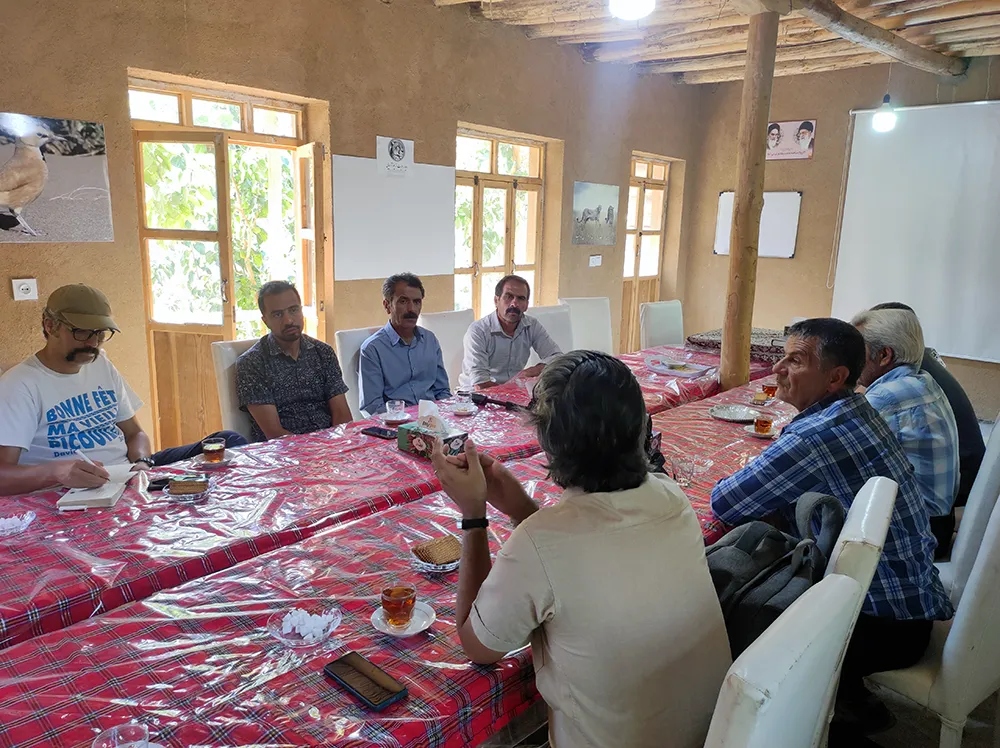
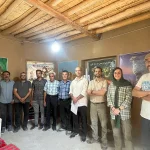
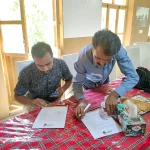
    We have formalized a long-term memorandum of understanding (MoU) with the Qaleh Bala Village Council, launching a pivotal project to restore degraded habitats in the Touran Biosphere Reserve, a critical stronghold for the Iranian cheetah. This partnership, aimed at establishing Sarvin’s first research and implementation center under the framework of Ecosystem Restoration, focuses on producing native seedlings and collecting seeds from rangeland plants, in alignment with the United Nations’ Decade on Ecosystem Restoration (2021-2030).

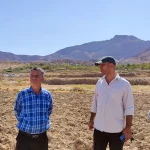
    Qaleh Bala, a village pursuing UNESCO World Heritage status for its leadership in environmental conservation, will host this groundbreaking center. A plot of land owned by Mr. Mousa Ajami, a local resident, has been designated for a greenhouse to cultivate native seedlings and seeds. This initiative marks the first step in restoring desert ecosystems from Touran to Miandasht, while setting a model for close collaboration with local communities.

    Sarvin commits to providing expert environmental guidance and working alongside the Qaleh Bala Village Council and the village’s Environment House. The council, in turn, will offer administrative support and facilitate local coordination to ensure the project’s success. Beyond habitat restoration, this partnership envisions sustainable development in areas such as smart water management, farmer education, and climate change adaptation.

    Supported by the enthusiasm of Qaleh Bala’s residents and council, this project has the potential to inspire similar efforts across the Touran Biosphere Reserve and beyond. At Sarvin, we firmly believe that protecting nature and empowering local communities are two sides of the same coin. We extend our heartfelt gratitude to the Qaleh Bala Village Council, the village head, and the community for their dedicated support. Stay tuned for more updates on this transformative journey.
  • Helia in Miandasht Wildlife Refuge

    Helia in Miandasht Wildlife Refuge

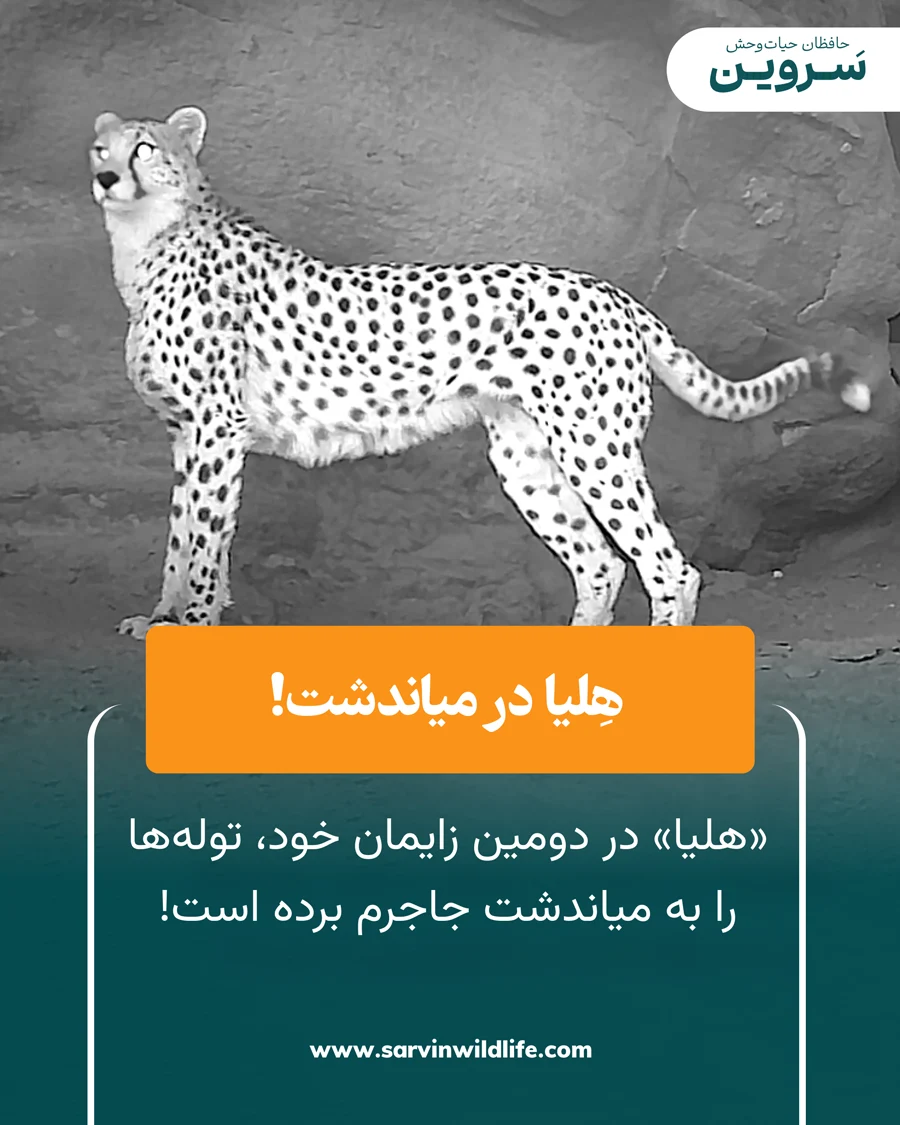
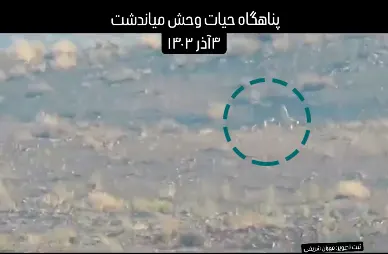
    In December of this year, after six years, the Asiatic cheetah was once again recorded in the Miandasht Wildlife Refuge. The cheetahs that had been recorded previously were not identifiable due to the considerable distance, but the image captured five days ago by the camera traps of the North Khorasan Environmental Department revealed that this cheetah, a mother, is Helia. Unfortunately, her two cubs, born this year, are not visible in the image, likely because they did not come in front of the camera with their mother.

    A week before this image was recorded, three cheetahs (a mother and two cubs) were spotted outside of Miandasht, and with the help of park rangers, volunteers, and locals, the risk of them being involved in a collision was avoided. The image of Helia reinforces the assumption that this is the same family and, fortunately, they have returned to the safe zone of Miandasht.

    Helia is a five-year-old female cheetah born in 2019. She is the daughter of Herb, a successful and older female cheetah from the Turan Biosphere Reserve, and this is her second time becoming a mother. Last year, she lost her male cub to a road accident but was able to give birth to two more cubs this year.

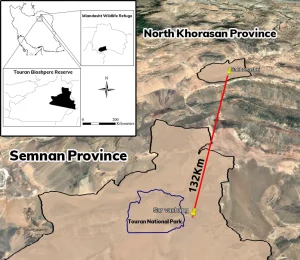
    The furthest point where we recorded Helia was in 2021, when she was with her two cubs in the Turan Wildlife Refuge, located about 132 kilometers away from her current location in the heart of the Miandasht Wildlife Refuge in North Khorasan Province. This remarkable movement of cheetahs is unique to the Asiatic subspecies, and it makes their conservation in Iran’s central deserts much more challenging.Asiatic Cheetah Movement

    Helia has once again shown us how far cheetahs can move beyond our expectations. Installing satellite trackers has become an essential part of conservation today, as it is the only way to better understand these movement patterns. To conserve the few remaining cheetahs, we certainly need information that goes beyond mere guesses and assumptions.

    We hope that Helia’s return to Miandasht signifies the selection of this habitat to raise her cubs and establish a new population in this favorable region.

    As always, we are deeply grateful to the director of the Jajarm County and all the dedicated rangers in the area, whose love for cheetah conservation has made the region hospitable for the return of this species. We also appreciate the continued support of the Director-General of North Khorasan Province.

  • The Decade of Ecosystem Restoration

    The Decade of Ecosystem Restoration

    The United Nations has designated the decade from 2021 to 2030 as the Decade of Ecosystem Restoration. Ecosystem restoration refers to efforts aimed at helping recover ecosystems that have been degraded or destroyed, as well as protecting those that remain healthy and intact.

    Our habitats in Iran are not exempt from this challenge, having suffered extensive to minor degradation due to various factors such as human activities and the effects of climate change. Restoring damaged habitats can help preserve all the species within those ecosystems, while also having a direct impact on the quality of life for local communities living around these areas.

    At Sarvin, we hope to dedicate a significant portion of our efforts to the restoration and rehabilitation of habitats, particularly those of the cheetah.


  • Cheetah Spotted Again in Miandasht Wildlife Refuge After Six Years

    Cheetah Spotted Again in Miandasht Wildlife Refuge After Six Years

    The sighting of a cheetah in Miandasht Wildlife Refuge after six years brought tears of joy to many. These were individuals who, over the years, remained steadfast in their commitment to conservation, working tirelessly to improve the region day by day. Their efforts led to a remarkable increase in prey populations, exemplary water resource management, and the strengthening of vegetation cover. In the past year, multiple cheetah sightings near the region’s borders had raised hopes for their eventual return to the refuge itself. This recent sighting is not merely a record of presence after years of absence—it carries much greater significance, with several key aspects highlighting its importance.

    • The protection of historically significant habitats with potential should never be abandoned. Conservationists may inevitably face moments of despair, but completely halting conservation efforts is a grave mistake.
    • The arrival of cheetahs in the heart of Miandasht indicates that they are rediscovering the movement corridors once used by cheetahs traveling between Turan and Miandasht. It was previously believed that with the disappearance of those cheetahs, the new generation might not restore this route. However, this presence offers hope for the revival of this migration pathway. Even if the cheetahs leave the area again, with continued population growth, their offspring are likely to establish a new population in Miandasht in the near future.
    • The comprehensive protection of the intermediary area known as “Yoozkenam,” crucial for cheetahs reaching Miandasht, is far more essential than we might assume. While current conservation efforts are commendable, they are far from sufficient.

    This important sighting is owed to the leadership of Ahmad Safarzadeh, head of the Environmental Department in the Jajarm district, the rangers of the region, the dedicated volunteers from the city of Jajarm, and the support of the Director General of Environmental Protection in North Khorasan.
    P.S. The maintenance of a safe distance to prevent any stress on the cheetahs reflects the professionalism of the cameraman and the team involved. Recording a sighting without causing stress is far more important than capturing a high-quality image for identification purposes.

  • Water for All: Designing and Building a Standard Waterhole for Wildlife

    Water for All: Designing and Building a Standard Waterhole for Wildlife

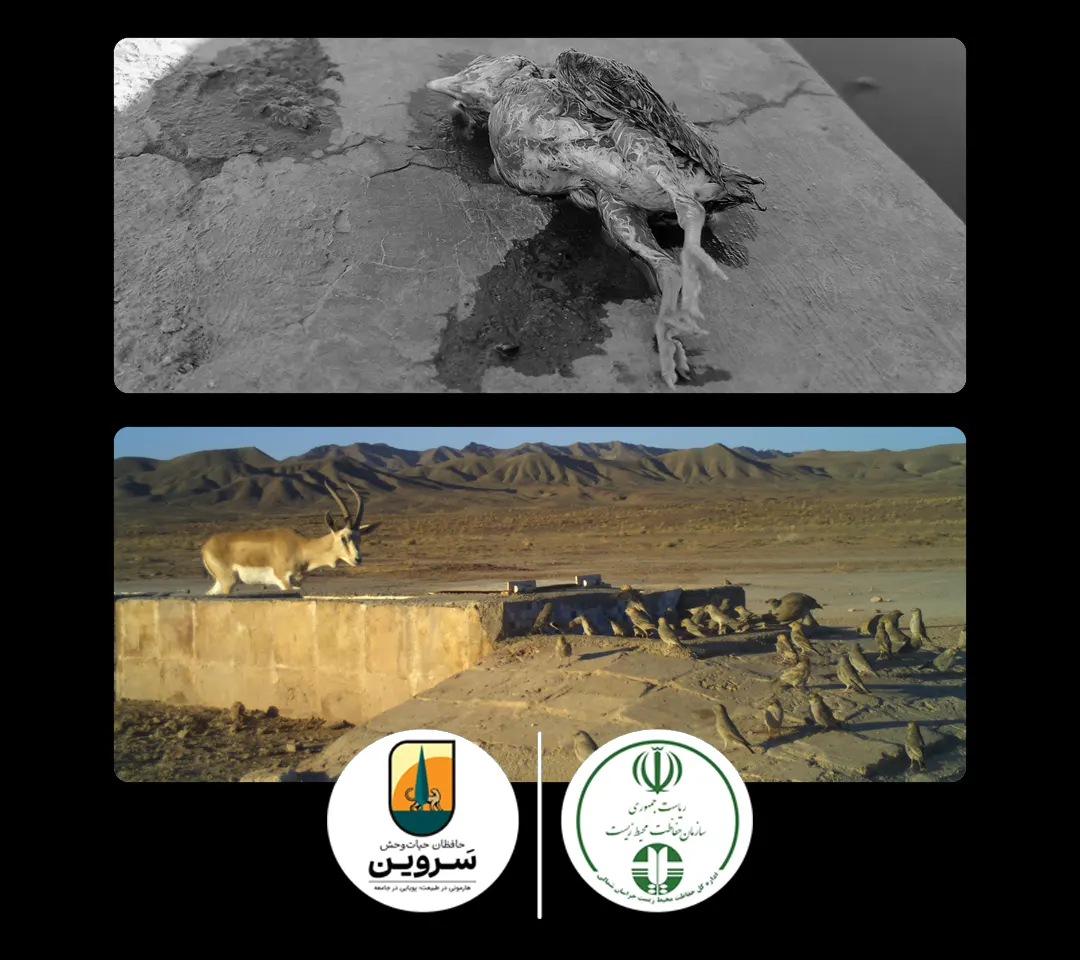
    Until now, the design and construction of waterholes that consider the needs of all wildlife species have been very rare in Iran. This issue becomes even more important in desert areas and during the summer.

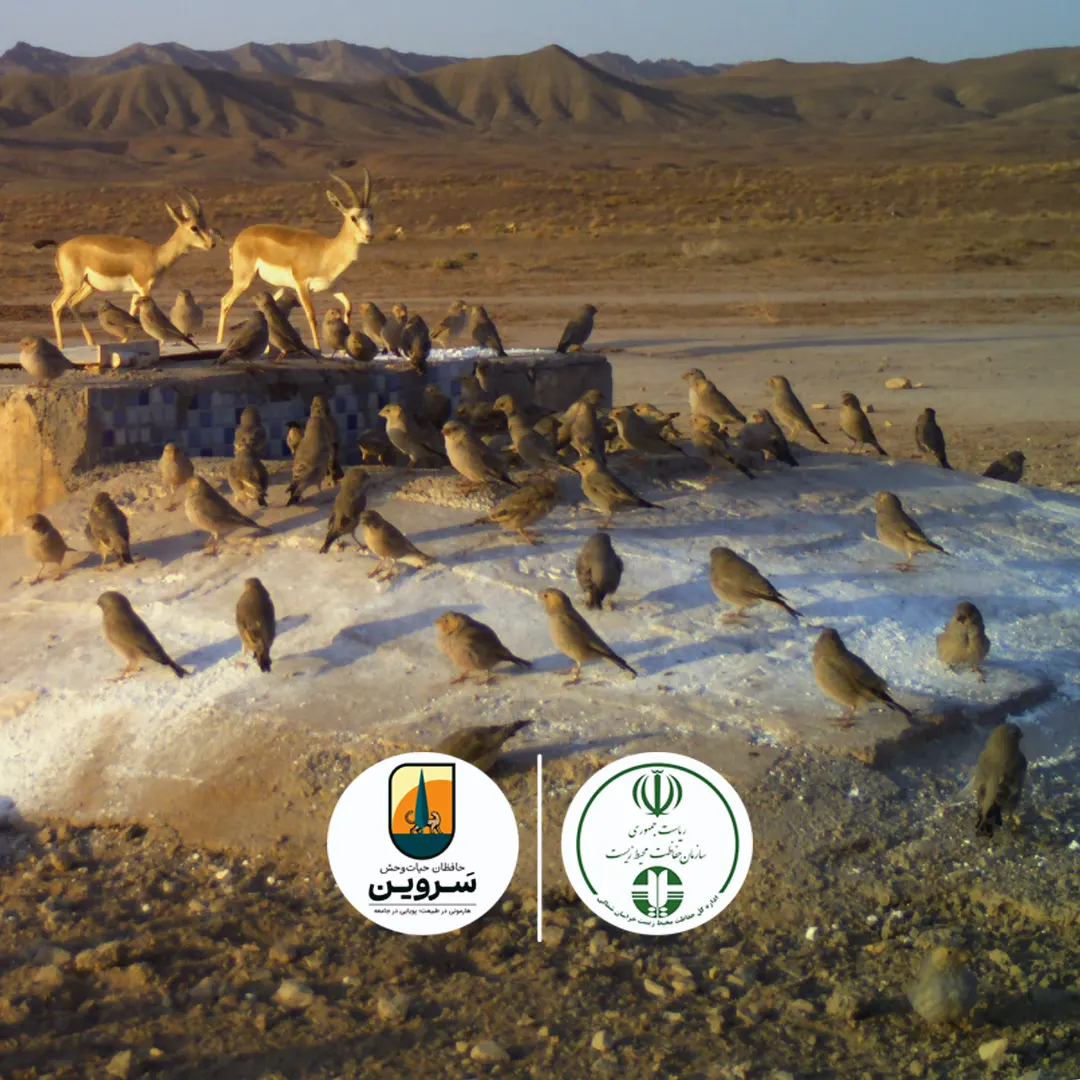
    Considering this need, three years ago, in cooperation with the Jajarm Environmental Protection Department and the rangers of the Miyandasht Wildlife Refuge, a prototype of a standard waterhole was designed and built. The goal was to create a waterhole that, in addition to easy access for both large and small animals, had the lowest possible evaporation rate, provided clean water, had a reasonable construction cost, and was visually compatible with the natural environment.

    The results of two years of monitoring this waterhole have been very promising and have inspired the construction of similar waterholes in the Touran Biosphere Reserve.

    A Standard, Environmentally Friendly Waterhole

    Key features of this waterhole:

    • Easy access: The design of the waterhole is such that animals of different sizes can easily access water.
    • Reduced evaporation: The materials and structure of the waterhole are selected in such a way as to minimize water evaporation.
    • Clean water: The materials used in the construction of the waterhole do not create any pollution for the water.
    • Reasonable construction cost: The construction cost of this waterhole is economical compared to other models.
    • Compatibility with the natural environment: The design of the waterhole is such that it is compatible with the natural environment.

    Future of this project:

    Instructions for building this waterhole have been prepared for use in other areas and will be released soon. We hope that by using these instructions, we can create standard waterholes for wildlife across the country.

  • Continued Support for Cheetah Conservation in Touran Biosphere

    Continued Support for Cheetah Conservation in Touran Biosphere

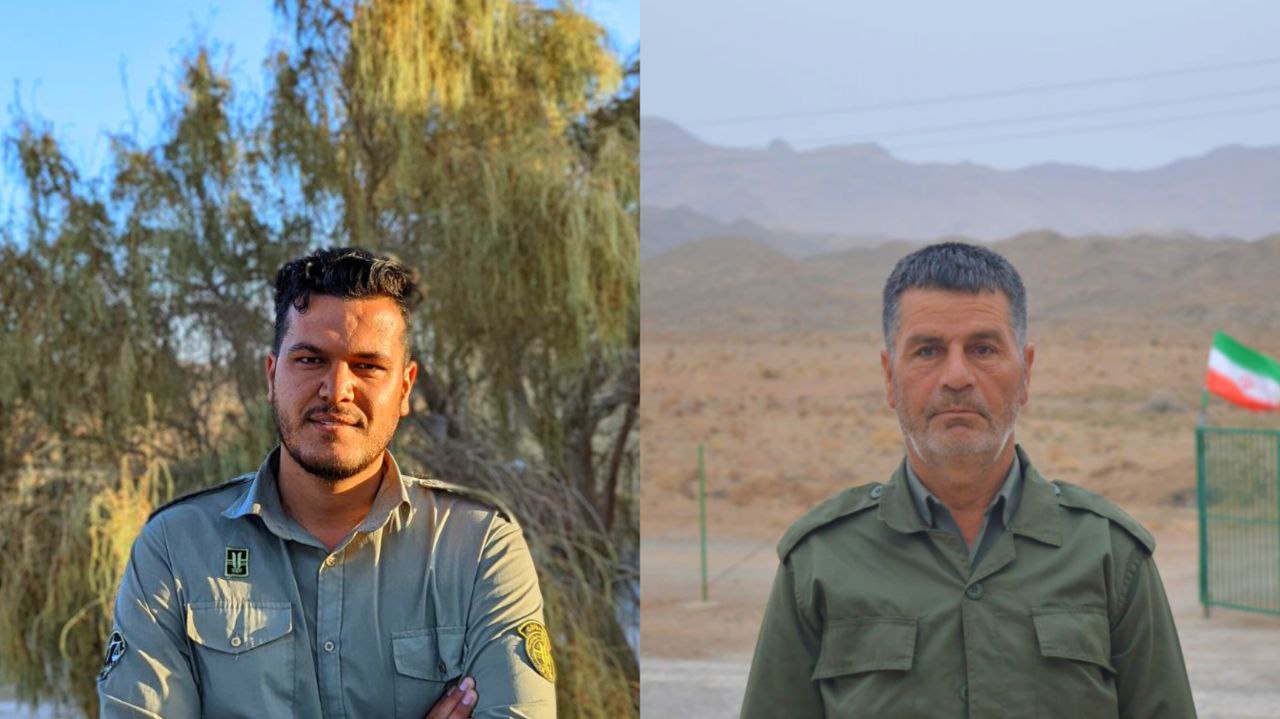
    Sarvin Wildlife Conservation is honored to continue supporting the wages of two ranger aides in the Touran Biosphere Reserve, thanks to the ongoing generosity of our previous sponsor.

    Preserving these two critical support positions in the largest and most essential habitat of the Asiatic cheetah has always been one of our highest priorities. We are truly grateful to Darb Shazdeh Hotel for their invaluable partnership and commitment to funding these ranger aides, a contribution that deserves heartfelt appreciation.